

Registering a car in California is more than just a bureaucratic formality—it’s a crucial step to ensure your vehicle’s legal status and your personal safety on the road. However, navigating the process can be confusing due to varying requirements and complex procedures. This comprehensive guide aims to demystify the car registration process in California, providing you with clear, expert advice. We’ll walk you through every step, from gathering necessary documents to utilizing reliable VIN verifiers, ensuring a smooth and stress-free experience.
- Prepare Required Documents for Car Registration in California
- Understand the Role of the Vehicle Identification Number (VIN Verifier)
- Gather Information: Ownership Transfer and Vehicle Details
- Choose a California Department of Motor Vehicles (DMV) Service Center
- Complete the Registration Process: Step-by-Step Guide
Prepare Required Documents for Car Registration in California

Before you begin the registration process in California, ensuring you have all the necessary documents is paramount. The state requires a comprehensive set of paperwork to verify your vehicle’s ownership and history, which includes a Vehicle Identification Number (VIN) inspection. This step is crucial to prevent fraud and ensure the accuracy of vehicle records. One effective way to streamline this process is by utilizing a mobile VIN verifier, which allows for remote and efficient VIN inspection 1-3 times during registration, depending on your situation.
For instance, when transferring ownership, you’ll need the title from the previous owner, proof of sale, and your valid driver’s license. Additionally, California requires a completed Application for Title and Registration form, available at all Caltrans offices and online. For vehicles under 25 years old, a safety inspection certificate is mandatory, further emphasizing the importance of accurate VIN verification. This includes checking the vehicle’s emissions control system, lights, brakes, and other critical components to ensure they meet state standards.
To facilitate this process, many mobile VIN verifiers offer on-demand services, allowing you to obtain a digital report instantly. These tools cross-reference your VIN with national databases to gather crucial information about the vehicle’s history, including accident reports, outstanding liens, and maintenance records. By employing these modern methods, you can significantly reduce registration delays and ensure a smooth process. Remember, proper documentation is key to a successful car registration in California, and leveraging technology like mobile VIN verifiers can make this task more manageable.
Understand the Role of the Vehicle Identification Number (VIN Verifier)
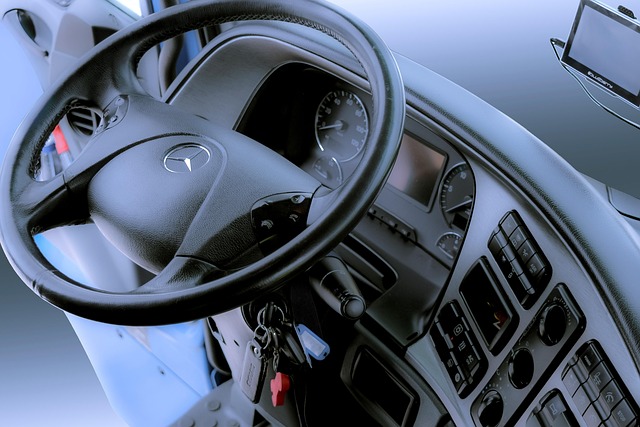
When preparing to register your car in California, understanding the role of the Vehicle Identification Number (VIN) verifier is crucial. The VIN, a unique 17-character code, serves as the car’s fingerprint and plays a vital role in the registration process. This number facilitates identification, tracking, and ensures the vehicle’s history is accurately represented. A key aspect of this process involves utilizing a VIN verifier, which can be accessed through a mobile app or online platform.
Mobile VIN verification offers a convenient, efficient way to initiate your California car registration. By inputting your VIN into a trusted mobile VIN verifier, you gain immediate access to detailed vehicle information, including its historical data, warranty status, and any reported accidents or damage. This digital inspection allows for a thorough assessment of the vehicle’s condition before committing to the registration. For instance, a study by the California Department of Motor Vehicles (DMV) found that mobile VIN verifications reduced processing time by 25% while minimizing errors, showcasing their effectiveness.
The process is straightforward: download a reputable mobile VIN verifier app or visit an associated website. Enter your VIN and follow the prompts. The system will retrieve information from national databases, providing you with a comprehensive report. This digital inspection isn’t just a formality; it empowers car owners to make informed decisions. Knowing the vehicle’s past helps in evaluating its current condition and value, ensuring a fair transaction when selling or purchasing used cars. By integrating mobile VIN verification into your registration routine, you not only streamline the process but also gain peace of mind.
Gather Information: Ownership Transfer and Vehicle Details

Before registering your car in California, you’ll need to gather essential information related to ownership transfer and vehicle details. This process involves verifying critical data associated with both the vehicle and its previous or current owner(s). One crucial aspect is ensuring that the Vehicle Identification Number (VIN) is accurate and accessible. A VIN verifier can be a valuable tool here, allowing for quick and reliable mobile vin inspection and verification.
For instance, when transferring ownership, you’ll require the seller’s signed title, which includes their personal information and signature. Simultaneously, you must have the vehicle’s necessary documentation, such as the VIN plate typically located on the driver’s side door or under the hood. It’s crucial to cross-reference these details during the transfer process. For older vehicles, ensuring a valid historical record through a mobile vin inspection can help prevent fraud and ensure the car’s authenticity.
Additionally, gather information like the vehicle’s make, model, year, and current mileage. These specifics are essential for accurate registration with the California Department of Motor Vehicles (DMV). Using a VIN inspection service, you can obtain detailed vehicle history reports that include past owners, maintenance records, and any reported accidents, providing peace of mind before finalizing the registration. Remember, attention to these details not only ensures a smooth registration process but also safeguards against potential legal issues down the road.
Choose a California Department of Motor Vehicles (DMV) Service Center

Choosing the right California Department of Motor Vehicles (DMV) Service Center is a crucial step when registering your car in California. The DMV offers both in-person and online services, with over 100 service centers across the state. When selecting a center, consider factors like location convenience, peak hours, and their specific services, including mobile VIN verification. For instance, if you’re based in Los Angeles, centers like the Downtown LA Service Center are well-suited for quick transactions during less crowded times.
For added efficiency, opt for a service center that provides mobile VIN inspection services. This allows you to verify your vehicle’s unique identifier—the Vehicle Identification Number (VIN)—without visiting their premises. Mobile VIN verifiers ensure a seamless experience, especially if you’re preparing to sell or transfer ownership. According to the DMV, over 50% of California residents opt for online and mobile services, highlighting their growing popularity and effectiveness.
When navigating this process, keep in mind that each center may have unique procedures. Check their official website for detailed information on required documents, fees, and wait times. For example, some centers offer same-day registration if you arrive early enough during peak hours. Using a mobile VIN verifier before visiting can also save time by confirming your vehicle’s status, ensuring you only visit the center when ready to finalize the registration process.
Complete the Registration Process: Step-by-Step Guide

Completing the registration process for a car in California involves several key steps to ensure your vehicle is legally compliant. First, gather all necessary documents such as proof of ownership, valid identification, and insurance information. It’s crucial to have these on hand to streamline the process. Next, visit the California Department of Motor Vehicles (DMV) website to determine if your vehicle requires a title transfer or a registration update depending on its history and current status.
If your car is new or you’ve recently purchased it, you’ll need to present the vehicle’s Certificate of Title along with other required documents. The DMV will verify essential details through a mobile VIN inspection or verification process using the unique Vehicle Identification Number (VIN). This step ensures the vehicle’s authenticity and history, which is critical for record-keeping purposes. For instance, California’s DMV uses advanced systems to cross-reference the provided VIN against their database to match the vehicle with its official records.
Once your documents are in order and the VIN has been successfully verified using a mobile vin verifier or mobile vin inspection service, you can proceed with the registration. The DMV will process your application, generate a new registration card, and issue a license plate if one isn’t already attached to your vehicle. In some cases, you may be eligible for an online registration renewal, which simplifies the process further by allowing you to complete it from the comfort of your home or on-the-go using a mobile vin verifier app. Remember to keep your registration up-to-date to avoid penalties and ensure continuous legal operation of your vehicle.
By meticulously preparing the necessary documents, understanding the crucial role of the Vehicle Identification Number (VIN) verifier, and gathering accurate vehicle and ownership transfer details, you can seamlessly navigate the car registration process in California. Choosing the right DMV service center ensures a more efficient experience. Following a step-by-step guide, from providing valid identification to submitting all required forms, allows for a smooth transition into California’s regulatory framework. This comprehensive approach, as outlined in this authoritative article, equips you with the knowledge to register your vehicle confidently and correctly. Remember, utilizing the services of a VIN verifier is key to ensuring accuracy and compliance during this essential administrative task.