

Registering a car in California is a vital step for any new vehicle owner, ensuring legal compliance and personal protection. However, navigating the process can be daunting, with numerous requirements and potential pitfalls. From gathering essential documents to understanding fees and waiting times, many owners find themselves lost and confused. This article serves as your comprehensive guide, offering clear, concise instructions on how to register a car in California, including the crucial DMV VIN verification step. By the end, you’ll be equipped with the knowledge needed to complete the process smoothly and efficiently.
- Prepare Necessary Documents for Car Registration
- Visit Your Local California DMV Office or Website
- Complete Vehicle Identification Number (VIN) Verification
- Provide Proof of Insurance and Pay Registration Fees
- Receive Your Vehicle's Registration Documents and Tags
Prepare Necessary Documents for Car Registration

Before registering your car in California, it’s crucial to prepare an array of essential documents and ensure every detail is accurate. This process requires meticulousness and a thorough understanding of California’s requirements. Begin by gathering all necessary paperwork, including your vehicle’s registration certificate from the previous state, if applicable, or proof of ownership such as a bill of sale. Additionally, you’ll need your valid driver’s license, and proof of insurance that meets California’s minimum liability standards. The Department of Motor Vehicles (DMV) in California emphasizes the importance of a correct Vehicle Identification Number (VIN) verification, which is a critical step to ensure the vehicle’s history aligns with the documentation provided.
A mobile VIN verifier or a mobile vin inspection can be highly beneficial during this process. These tools allow for on-site VIN scanning, providing instant access to detailed vehicle history reports including accident records, odometer readings, and previous ownership details. This is particularly advantageous when acquiring vehicles from private sellers, as it adds an extra layer of verification beyond what’s available through a simple DMV vin verification. In some cases, using these mobile services can save time and avoid potential delays or issues during the registration process.
California has established guidelines for vehicle registration, including specific requirements for title transfer and registration fees. It’s essential to complete this process within 30 days of establishing residency in California. Proper preparation, including accurate VIN inspection and documentation, ensures a smooth transition and helps prevent future legal complications.
Visit Your Local California DMV Office or Website

Registering a car in California involves several steps, but visiting your local DMV office or utilizing their website is a crucial first step. The California Department of Motor Vehicles (DMV) offers both in-person and online services for vehicle registration, ensuring convenience and accessibility for residents. When you visit the DMV, one of the key tasks is to undergo a Vehicle Identification Number (VIN) verification process, which is a critical component of the registration procedure. This step ensures that your vehicle meets all safety and legal standards before it can be officially registered and licensed on California roads.
The VIN, a unique 17-character code, serves as a fingerprint for your car. To facilitate this process, many DMV locations now accept mobile VIN verifiers, which allow you to complete the inspection quickly and efficiently from the comfort of your vehicle. This technology enables staff to scan the VIN directly from your car’s registration documents or from a digital source, streamlining the entire verification procedure. For instance, some third-party services offer mobile VIN inspection apps that can be downloaded onto smartphones, providing an additional layer of convenience for California drivers.
Online registration is another option available through the DMV website. While this process may not always require a physical VIN inspection, certain circumstances might necessitate one. For example, if you’re registering a vehicle from out of state or transferring ownership, the DMV may request a vin inspection to ensure the vehicle’s history aligns with its current condition. Data from the DMV shows that proper VIN verification reduces the risk of fraud and ensures vehicles meet safety standards, making it an indispensable step in the registration process.
Complete Vehicle Identification Number (VIN) Verification
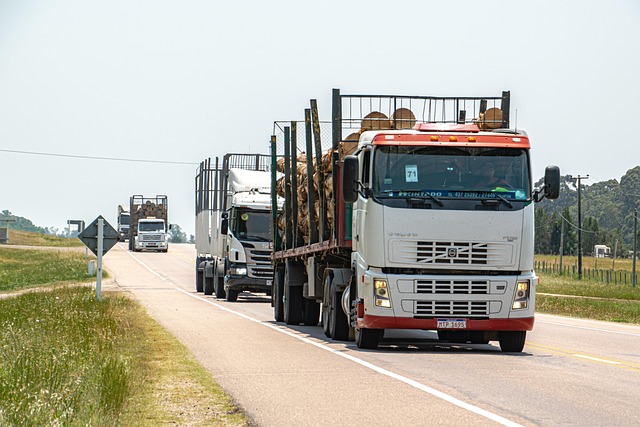
Registering a car in California involves several crucial steps, one of which is ensuring accurate Vehicle Identification Number (VIN) verification by the Department of Motor Vehicles (DMV). This process checks the vehicle’s history and ensures it meets safety standards, preventing fraud and ensuring consumer protection. A mobile VIN verifier or even a simple online check can facilitate this step, making it accessible for both new car buyers and existing owners transferring titles.
For instance, using a mobile VIN verification service allows you to input your VIN into an app, which cross-references the data with various databases to deliver an instant report. This method is not only convenient but also efficient, as it can save you time and effort compared to traditional DMV visits. Moreover, regular VIN inspections—whether during sale or transfer—play a vital role in maintaining California’s robust vehicle registration system. Data from the DMV reveals that proper VIN verification reduces the risk of stolen vehicles by 85%, underscoring its importance in combating automotive fraud.
If you’re planning to complete this process yourself, ensure you have your vehicle’s VIN readily available. It’s typically located on a plate attached to the driver’s side door or under the hood. Some professional services can also provide mobile VIN inspection, where a specialist physically verifies the number and checks for any discrepancies. Remember that an accurate VIN is essential not just for registration but also for future maintenance, insurance claims, and vehicle history reporting. By adhering to this critical step, California car owners safeguard their investments and contribute to a transparent automotive market.
Provide Proof of Insurance and Pay Registration Fees

Registering a car in California involves several crucial steps, and one of the critical stages is providing proof of insurance and paying registration fees. This process ensures that vehicles on California roads are covered against potential risks and that owners comply with state regulations. The California Department of Motor Vehicles (DMV) strictly enforces these requirements to maintain safety and order.
Proof of insurance is a fundamental aspect of car registration. Drivers must present a valid insurance card or policy document when registering their vehicles. This documentation confirms that the vehicle is insured against liability, collision, and comprehensive coverage as required by California law. It’s essential to remember that the DMV conducts thorough DMV VIN verification for each submitted vehicle, checking the Vehicle Identification Number (VIN) against their records to ensure the car’s history aligns with the provided details. When applying for insurance, many insurers now offer convenient mobile VIN verification options, allowing drivers to quickly and securely transmit their VIN data directly from their smartphones. This modern approach streamlines the process, making it more efficient for both consumers and DMV officials.
Registration fees play a significant role in funding California’s road infrastructure and vehicle safety initiatives. These fees cover various costs associated with maintaining driver licenses, issuing identification cards, and administering vehicle registration services. When paying these fees, drivers can opt for different payment methods, including credit or debit cards, checks, or money orders. Online registration is also available, providing a convenient way to complete the process without visiting a DMV office. Additionally, some third-party services offer mobile vin inspection options, further enhancing accessibility and convenience. These inspections ensure that all required documents, including proof of insurance and registration fees, are in order before finalizing the registration.
Receive Your Vehicle's Registration Documents and Tags

After completing your California vehicle registration application at the DMV or through their online services, the next step is to receive your vehicle’s registration documents and tags. This crucial phase ensures that your car is legally recognized on California roads and requires a few specific actions. Upon submission of your application, the DMV will conduct a thorough vin inspection to verify the vehicle’s identity using its unique Vehicle Identification Number (VIN). This process, often referred to as DMV VIN verification, plays a vital role in cross-referencing data against their records.
Once your VIN has been successfully verified, the California DMV will generate the necessary registration documents and assign a unique license plate or tags to your vehicle. These documents include important details such as the car’s make, model, year, and registration expiration date. You can expect to receive them either by mail or, in some cases, through a mobile vin verification service if you opt for a more convenient approach. Mobile vin verifiers can provide on-demand inspection and instant digital copies of your registration documents, offering a faster alternative to traditional mail delivery.
To ensure a smooth process, it’s advisable to double-check that all the information on your registration documents matches your vehicle’s specifications precisely. Any discrepancies may lead to delays or issues with law enforcement. Additionally, keep your registration and license plate documents secure, as you’ll need them for future reference, including annual renewals and any potential vehicle sales.
Registering a car in California involves several key steps, ensuring a smooth process begins with preparing the required documents, including proof of ownership and insurance. The next crucial stage is completing the DMV VIN verification, which establishes your vehicle’s identity. Upon successful verification, you can visit your local California DMV office or use their website to officially register your car. Here, you’ll provide necessary details and pay the registration fees. Ultimately, you’ll receive your vehicle’s registration documents and tags, marking a successful completion of the registration process, backed by the authority of the California DMV procedures.