

Registering a car in California is a vital process that ensures vehicle ownership rights, facilitates road safety regulations, and enables drivers to legally operate their vehicles on public roads. However, navigating the registration process can be daunting for new owners, involving multiple steps and paperwork. This article serves as your comprehensive guide, offering step-by-step instructions to streamline the process. We’ll delve into critical aspects like gathering necessary documents, conducting a Vehicle Identification Number (VIN) verification to prevent fraud, and understanding fees, ensuring a seamless experience.
- Understand California Car Registration Requirements
- Gather Necessary Documents for Vehicle Registration
- Perform VIN Verification: A Crucial Step in the Process
- Choose an Appropriate Registration Class for Your Vehicle
- Submit Application and Pay Fees to Register Your Car in CA
Understand California Car Registration Requirements

Registering a car in California involves adhering to specific requirements designed to ensure vehicle safety and track ownership. One crucial aspect is the verification of the Vehicle Identification Number (VIN). This unique 17-character code serves as a fingerprint for each vehicle, enabling efficient tracking and regulation. In California, VIN verification is mandatory during registration, ensuring that vehicles meet safety standards and are not stolen or reported as damaged without the owner’s knowledge.
California Department of Motor Vehicles (DMV) accepts two primary methods for VIN verification: traditional inspection at a designated DMV office and mobile VIN verification. The latter has gained popularity due to its convenience, especially for busy individuals or those with limited mobility. Mobile VIN verifiers, often provided by specialized services, conduct on-site inspections using advanced technology to cross-reference the VIN against national databases, ensuring accuracy and promptness. This modern approach streamlines the registration process, offering a seamless experience while maintaining the necessary rigor.
For example, consider a scenario where a resident of Los Angeles purchases a used vehicle from an out-of-state seller. To register the car in California, a mobile VIN inspection becomes invaluable. A licensed verifier can swiftly validate the VIN’s authenticity, check for any outstanding issues like theft or accident damage, and ensure compliance with California’s emission standards. This process, typically taking less than 30 minutes, allows the owner to focus on enjoying their new vehicle rather than navigating bureaucratic hurdles. By embracing innovative solutions like mobile VIN verification, California continues to adapt its registration procedures to meet the needs of its diverse population while prioritizing safety and efficiency.
Gather Necessary Documents for Vehicle Registration
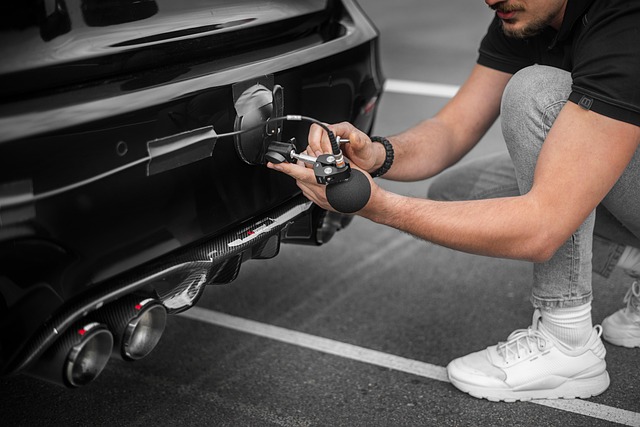
Registering a car in California involves several crucial steps, beginning with gathering all necessary documents for vehicle registration. Among these, the Vehicle Identification Number (VIN) verification stands out as an essential process. This unique 17-character code serves as the fingerprint of your vehicle and is critical for accurate registration. In light of this, consider utilizing a mobile VIN verifier—a handy tool that allows you to complete this step conveniently. By inputting your VIN into a mobile app or visiting an online platform, you can instantly access detailed information about your car’s history, including previous owners, maintenance records, and any reported accidents, ensuring a transparent and reliable verification process.
Furthermore, it’s important to gather essential documents like the title certificate (or proof of purchase), registration application form (Form DVF 140), and current emissions test results. In some cases, you may also need a bill of sale or a notarial certificate, especially if the vehicle was purchased from an individual rather than a dealership. A common scenario involves individuals overlooking the importance of a mobile VIN inspection during this phase; however, it’s recommended to perform this check at least once—ideally before purchasing—to avoid any surprises later in the registration process.
Additionally, ensure that all documents are up-to-date and accurate. Incorrect or outdated information can lead to delays or rejection of your registration application. For instance, California requires a valid driver’s license and proof of insurance during registration. Keeping these details readily available will streamline the entire process. Remember, the goal is to make the registration as smooth as possible; thus, being proactive about gathering the right documents—including a mobile VIN inspection where necessary—is a strategic move toward successful vehicle registration in California.
Perform VIN Verification: A Crucial Step in the Process

Registering a car in California involves several crucial steps, and one of the most important is performing a Vehicle Identification Number (VIN) verification. This process ensures that your vehicle’s unique identifier matches the information on record with the California Department of Motor Vehicles (DMV). VIN verification is not just a formality; it’s a critical step to ensure you’re providing accurate data for safety, security, and legal purposes.
A mobile VIN inspection or verification service can greatly simplify this process. These services send a trained professional to your location to perform the check directly on your vehicle. They’ll use specialized tools to cross-reference the VIN with national databases, ensuring it hasn’t been reported stolen, has no outstanding recalls, and matches the make, model, and year listed in official records. This is particularly beneficial for those purchasing used vehicles, as it offers peace of mind and helps prevent potential fraud or hidden issues.
For instance, a recent study found that nearly 1 in 5 vehicles with reported odometer rollbacks had discrepancies in their VIN data when checked through mobile VIN verification services. This underscores the importance of this step, especially in today’s market where private sales and online purchases are increasingly common. Always opt for reputable, licensed professionals offering mobile VIN inspection services to avoid any pitfalls.
Prioritize thoroughness and accuracy during this process. A simple error or oversight could lead to delays in registration or even legal complications. Remember, a well-executed VIN verification is not just about compliance; it’s about ensuring the safety and integrity of California’s roads for all users.
Choose an Appropriate Registration Class for Your Vehicle

When registering your car in California, selecting the right registration class is crucial. This decision hinges on your vehicle’s type and use—a process that involves more than just a simple form. The Golden State offers various classes designed to accommodate diverse vehicles, from classic cars to electric vehicles (EVs). For instance, classic cars over 25 years old qualify for a special historic vehicle registration, waiving certain emissions tests. Conversely, high-performance or modified vehicles might need to undergo additional inspections.
A key step in this process is vin verification, which establishes your vehicle’s authenticity and history. Traditional methods involve visiting a DMV office with paper documents, but modern solutions streamline the process. Mobile vin verification services, for example, allow you to complete this critical step from the comfort of your home or garage. These services use advanced technology to cross-reference your Vehicle Identification Number (VIN) with global databases, ensuring accuracy and peace of mind. Moreover, mobile vin inspection services can identify potential issues early on, enhancing safety and saving time during the registration process.
California’s Department of Motor Vehicles (DMV) offers online tools to help you navigate these options. Their website provides detailed guidelines for each vehicle class, including specific requirements for documentation and inspections. It’s advisable to utilize these resources proactively. For instance, if you’re registering an out-of-state vehicle, understanding the necessary paperwork well in advance can prevent registration delays. By combining thorough research with efficient vin verification methods—whether traditional or mobile—you’ll ensure a smoother car registration experience in California.
Submit Application and Pay Fees to Register Your Car in CA

To register your car in California, after gathering all necessary documents and confirming your vehicle’s eligibility, it’s time to submit your application and pay the associated fees. This crucial step involves several actions that ensure your vehicle complies with state regulations. You’ll need to visit the California Department of Motor Vehicles (DMV) website or a local DMV office to initiate the process.
The application process begins with completing Form MV-5, which is the Application for Title and Registration. Here, you’ll provide detailed information about your vehicle, including its make, model, year, and unique Vehicle Identification Number (VIN). Accurate VIN verification is essential, and California offers several convenient options to facilitate this. Consider scheduling a mobile VIN inspection or using an online tool for instant verification. This step ensures that the data submitted matches the vehicle’s official records, enhancing the accuracy of your registration.
After completing the application, you’ll be directed to the fee payment stage. The fees vary based on your vehicle type and usage. For example, registering a new car or converting a title typically incurs higher costs than renewing an existing registration. Acceptable methods of payment include cash, credit card, or check. Ensure you have all necessary documentation, including proof of insurance, before making the payment. Once your application is approved and fees are settled, the DMV will issue a registration certificate, rendering your vehicle legally registered in California.
Registering a car in California involves understanding key requirements, gathering essential documents, performing crucial VIN verification, selecting the right registration class, and submitting applications with fees. The most important takeaway is the mandatory VIN verification step, ensuring vehicle authenticity and compliance with state laws. Next steps include collecting all necessary paperwork, visiting a DMV office or using an online portal, and paying the registration fees. By following these comprehensive guidelines, California residents can efficiently navigate the car registration process, ensuring their vehicles are legally registered and ready to hit the road.