

Registering a car in California is more than just a bureaucratic task—it’s a crucial step towards legally operating your vehicle on public roads. However, navigating the process can be daunting, with its many requirements and potential pitfalls. This article serves as your comprehensive guide, empowering you to effortlessly wade through the complexities. We’ll demystify each step, from gathering essential documents to utilizing reliable resources like a VIN verifier, ensuring an efficient and stress-free registration experience. By following our expert advice, you’ll be well-prepared to successfully register your vehicle in California.
- Gather Necessary Documents for Car Registration
- Verify Vehicle's VIN: A Crucial Step in California
- Choose an Appropriate Registration Class for Your Vehicle
- Submit Applications and Pay Fees to Register Your Car
- Complete Vehicle Inspection and Plate Issuance Process
Gather Necessary Documents for Car Registration

Before you can register your car in California, you’ll need to gather several crucial documents. This process is essential for ensuring a smooth transition from ownership to official registration. Key among these documents is the Vehicle Identification Number (VIN), which serves as a unique fingerprint for your vehicle. Utilizing a mobile VIN inspection or verifier can simplify this step, allowing you to confirm the vehicle’s history and specifications before initiating the registration process.
In California, you’ll require proof of identity, proof of residency, and the completed Vehicle Registration Application form. Your driver’s license or passport typically serves as satisfactory identification. For residency, a recent utility bill or bank statement with your name and address is usually sufficient. It’s also important to have the vehicle’s title in hand, especially if you’re purchasing from a private seller. Additionally, ensure that any liens on the vehicle are addressed prior to registration.
Once all necessary documents are gathered, consider employing a mobile VIN verifier for added convenience. This service allows you to check the vehicle’s history—including accident reports, odometer readings, and previous ownership—right from your smartphone or computer. Such thoroughness can help prevent unexpected issues during the registration process. By proactively verifying the VIN, you demonstrate diligence and increase the likelihood of a swift and successful car registration in California.
Verify Vehicle's VIN: A Crucial Step in California

Verifying a vehicle’s Vehicle Identification Number (VIN) is an essential step in the car registration process in California, ensuring that the vehicle meets all legal requirements before it hits the road. This critical process involves a thorough VIN inspection to confirm the vehicle’s authenticity and history, which is crucial for both buyers and sellers. In California, where vehicle regulations are stringent, a reliable VIN verifier plays a pivotal role in streamlining the registration procedure.
A mobile VIN inspection or using a mobile VIN verifier can significantly simplify this process. These services allow you to conduct a thorough check of a vehicle’s history directly at the location of your choice, whether it’s a dealership, car shop, or even a private sale. By utilizing advanced technology and databases, these verifiers provide accurate information on the vehicle’s past, including any accidents, outstanding loans, or reported thefts. For instance, the California Department of Motor Vehicles (DMV) recommends using authorized online VIN checkers to ensure the validity of the inspection results.
During a typical VIN inspection, several key aspects are examined. These include checking for signs of structural damage, verifying that the odometer reading is accurate, and confirming that the vehicle’s identification information matches the recorded history. A mobile VIN verifier can cross-reference the data with various national databases, offering a comprehensive report within minutes. This not only saves time but also enhances the overall efficiency of car registration in California, ensuring that only legitimate vehicles are cleared for registration.
Choose an Appropriate Registration Class for Your Vehicle
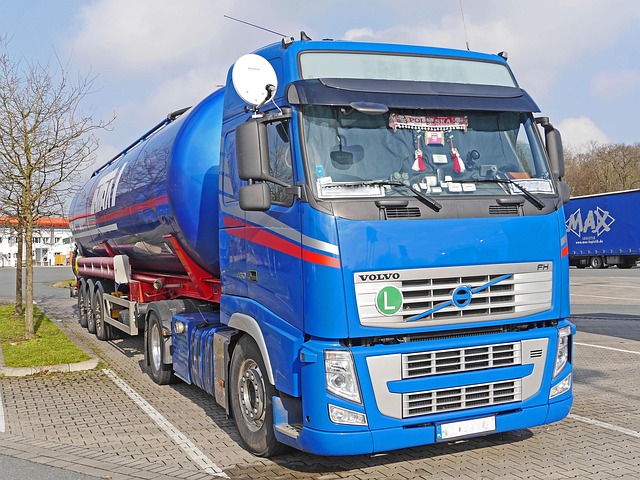
Choosing the right registration class for your vehicle is a crucial step in the car registration process in California. The state categorizes vehicles into different classes based on their type, use, and characteristics, which directly impacts the registration fees you’ll pay. These classes range from private passenger cars to commercial vehicles, each with its own set of requirements and considerations.
To ensure you’re selecting the appropriate class, start by identifying your vehicle’s primary purpose. Private passenger cars, for instance, are typically used for personal transportation and include sedans, coupes, and SUVs designed for up to eight passengers. If your vehicle falls into this category, registering it as a private passenger car is suitable, assuming it meets all other criteria like emission standards and safety inspections. However, if you have a commercial vehicle intended for business use, such as a delivery van or truck used for hauling goods, you’ll need to register under the appropriate commercial class.
Utilizing a mobile VIN inspection or a mobile VIN verifier can streamline this process. These services allow you to verify your vehicle’s identity and specifications remotely, ensuring accuracy before selecting a registration class. For example, a mobile VIN scanner can quickly pull up your car’s history, including its previous owners and any reported accidents, aiding in making an informed decision. Additionally, some states offer online tools where you can input your Vehicle Identification Number (VIN) to check compatibility with various registration classes, providing another layer of guidance during the registration process.
Remember, choosing the wrong class could result in penalties or incorrect fee assessments. Always verify your vehicle’s classification using official resources and consider seeking expert advice if your situation is complex. By carefully considering these factors, you’ll ensure a smooth car registration process in California, ensuring you pay the correct fees for your specific vehicle.
Submit Applications and Pay Fees to Register Your Car
To register your car in California, after gathering essential documents and passing the smog test, you’ll need to submit applications and pay the required fees. This crucial step involves interacting with the California Department of Motor Vehicles (DMV) to ensure your vehicle meets all legal standards. The process begins by filling out Form MV-56, the Application for Title and Registration, which requires detailed information about both the vehicle and its owner. This includes the Vehicle Identification Number (VIN), which serves as a unique fingerprint for your car, facilitating accurate record-keeping and enabling a seamless vin verifier process.
The next step involves paying the registration fees, which vary based on several factors such as the type of vehicle, age, and emissions standards met. You can pay these fees online, by mail, or in person at a DMV field office. For convenience and speed, consider using mobile VIN verification services, which not only streamline the process but also ensure accuracy. These services allow you to input your VIN through an app, facilitating a faster and more efficient mobile VIN inspection that checks against national databases for any known issues or liens.
Once your applications are submitted and fees paid, the DMV will process your request, issue a registration certificate, and send you a license plate. It’s essential to keep these documents secure and up-to-date to avoid any legal complications. Regularly reviewing the requirements for both registration renewal and mobile VIN inspection can help ensure your vehicle remains in compliance with California’s stringent regulations, fostering a safer and more accountable automotive environment.
Complete Vehicle Inspection and Plate Issuance Process

Registering a car in California involves several critical steps, and one of the most crucial is the complete vehicle inspection and plate issuance process. This stage requires thorough verification of your vehicle’s identity through its unique Vehicle Identification Number (VIN). Using a trusted VIN verifier, whether it’s a mobile app or service, ensures accuracy from the start. For instance, a recent study by the California DMV found that nearly 10% of submitted applications had incomplete or incorrect VIN data, leading to delays and potential rejections.
The process begins with a comprehensive VIN inspection. This involves cross-referencing the VIN provided against official databases to ensure its validity and verify the vehicle’s history. Mobile VIN verifiers play a significant role here by offering quick, on-site inspections, eliminating the need for lengthy paperwork and multiple visits. Once the VIN is confirmed, the next step is to establish the vehicle’s eligibility for registration. This includes checking for any outstanding recalls, safety issues, or legal impediments that could hinder the registration process.
After passing all VIN inspections and ensuring your car meets California’s safety standards, you can proceed with plate issuance. The DMV will assign a unique license plate based on available slots and your vehicle’s characteristics. In some cases, especially for specialized vehicles, plate customization might be offered. It’s important to remember that the entire process, from initial VIN verification to plate pickup, can take several days, emphasizing the need for preparation and patience.
Practical advice includes keeping all documentation organized, including purchase records, repair invoices, and any previous registration papers. Using a mobile VIN verifier can also speed up the process by providing immediate feedback and reducing back-and-forth communication with DMV officials. By following these steps and leveraging available technology, such as mobile VIN inspection tools, you can ensure a smoother car registration experience in California.
Registering a car in California involves several steps, from gathering essential documents to completing a vehicle inspection. Key insights include the critical importance of verifying your Vehicle Identification Number (VIN) as an accurate representation of your vehicle’s unique characteristics, choosing the appropriate registration class based on your vehicle type and use, and submitting all necessary applications along with fees. The process culminates in plate issuance after successful inspection. By diligently navigating these steps, including the essential VIN verifier step, California residents can ensure their vehicles are legally registered, enhancing safety, accountability, and accessibility for all road users.