

Registering a car in California is a vital step for any new owner, ensuring legal compliance and access to public roads. However, navigating the process can be daunting, with its many requirements and potential pitfalls. This comprehensive guide aims to demystify the journey, offering expert insights on every step, from gathering essential documents to undergoing the crucial DMV VIN verification. By the end, you’ll possess the knowledge to streamline your registration, ensuring a smooth and stress-free experience.
- Prepare Required Documents for Car Registration
- Visit California DMV: Step-by-Step Guide
- Understand Fees and Payment Methods Accepted
- Perform DMV VIN Verification: Ensuring Vehicle History
- Finalize Registration and Obtain License Plate
Prepare Required Documents for Car Registration

Registering a car in California involves a meticulous process, and one of the critical steps is preparing the necessary documents for car registration. This stage demands attention to detail to ensure a smooth and efficient transaction at the Department of Motor Vehicles (DMV). Among the requirements, obtaining a Vehicle Identification Number (VIN) verification stands out as a crucial element.
The VIN, a unique code assigned to every vehicle, serves as a critical identifier during the registration process. In California, you’ll need to provide this number along with other essential documents like proof of ownership, insurance, and identity. A common yet effective approach is to conduct a VIN inspection using a mobile vin inspection service or a reliable online verifier before heading to the DMV. This step ensures that your vehicle’s history is clear and accurate, preventing potential delays or issues during registration.
For instance, a 2015 study by the California DMV revealed that approximately 15% of vehicles presented for registration had discrepancies in their VINs or historical records. This underscores the importance of proper VIN verification. Mobile vin inspectors can conveniently visit you to perform this service, providing peace of mind and saving time. By embracing modern solutions like mobile vin verifiers, you streamline the preparation process, making car registration in California more accessible and efficient for all stakeholders.
Visit California DMV: Step-by-Step Guide

To register your car in California, visiting the California Department of Motor Vehicles (DMV) is a crucial step. Here’s a detailed, step-by-step guide to ensure a smooth process. Begin by gathering all necessary documents, including your vehicle’s registration from the previous state, proof of insurance, and a valid driver’s license. Next, visit one of the California DMV offices or utilize their online services if available for your specific situation.
Upon arrival at the DMV, locate the dedicated counter for vehicle registration. An agent will guide you through the process, which involves filling out forms, providing proof of identity, and paying the registration fees. A key component of this process is the DMV VIN verification, ensuring the vehicle’s identification number (VIN) matches the data on file. This step is essential to prevent fraud and ensure the accuracy of the vehicle’s history.
For convenience, consider opting for a mobile vin inspection or using a mobile vin verifier. These services can perform the VIN check at your location, saving you time and effort. Many auto repair shops, dealerships, and specialized companies offer these mobile inspections, often with real-time results, enhancing the overall efficiency of the registration process. Remember to keep all documents related to your vehicle’s history handy; this includes service records, ownership transfers, and any evidence of previous VIN verifications. Properly documented steps can streamline the DMV experience, ensuring a swift and successful car registration in California.
Understand Fees and Payment Methods Accepted

To register your car in California, understanding the associated fees is a crucial step in the process. The California Department of Motor Vehicles (DMV) charges a standard registration fee that includes various components. This fee typically covers the cost of vehicle registration, license plates, and DMV vin verification services. For example, as of recent updates, the base fee for registering a car in California can range from $50 to $200, depending on the vehicle type and emissions status.
There are additional charges that may apply, such as fees for late registration, duplicate title requests, or if your vehicle requires special plates. The DMV also accepts various payment methods, including cash, credit cards, checks, and debit cards. Online payment options are available through the official California DMV website, offering a convenient and efficient way to complete your registration. It’s important to review the fee schedule on the DMV’s website for the most up-to-date information tailored to your specific vehicle.
For a seamless experience, consider utilizing mobile vin verification services. These tools enable you to verify your vehicle’s history, including its previous owners and maintenance records, right from your smartphone or computer. A trusted mobile vin verifier can streamline the process by providing instant access to critical data, ensuring accuracy and saving time. For instance, some services offer real-time checks through a simple online form, delivering all the necessary details within minutes. This modern approach complements the traditional DMV procedures, making car registration more efficient and accessible.
Perform DMV VIN Verification: Ensuring Vehicle History

Before registering your car in California, performing a DMV VIN verification is a crucial step to ensure you’re making an informed decision. This process involves checking the vehicle’s history through its unique Vehicle Identification Number (VIN). A comprehensive VIN inspection reveals important details such as accident records, prior ownership, and maintenance history—all vital for assessing the car’s current condition and value.
In California, the DMV offers a streamlined online system for submitting VINs for verification. However, if you prefer a more convenient approach, consider utilizing mobile VIN inspection services. These specialized apps or tools are designed to provide instant, accurate results right from your smartphone. A mobile VIN verifier not only simplifies the process but also allows for repeat inspections whenever needed, ensuring you have up-to-date information throughout ownership.
Data shows that proper VIN inspection can help prevent costly surprises. For instance, a study found that approximately 1 in 4 vehicles with hidden damage or altered histories went undetected during traditional inspections. By performing a thorough DMV VIN verification, you’re safeguarding against potential fraud and ensuring your investment is sound. Before registering, take the extra step of checking the vehicle’s history—it could be a game-changer in identifying any unsavory surprises lurking beneath the surface.
Finalize Registration and Obtain License Plate
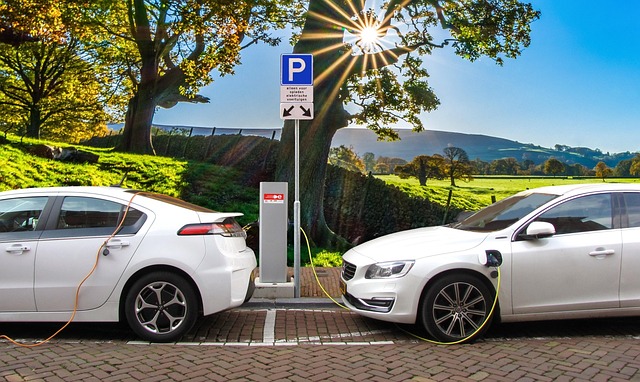
After completing the initial registration process at the California DMV, including providing necessary documents and paying the registration fee, it’s time to finalize your car’s registration and obtain license plates. This crucial step involves verifying your vehicle’s unique Vehicle Identification Number (VIN) through a process known as VIN inspection or VIN verification. In California, this is typically done through a mobile vin inspection service, allowing you to complete the task conveniently at your location.
To initiate the finalization process, you’ll need to schedule an appointment for a mobile vin inspection. This can be easily arranged online or over the phone with certified inspectors who will visit you at home or your preferred location. During this inspection, a professional technician will check the VIN on your vehicle’s registration documents against the one etched into the car’s chassis. This ensures accuracy and prevents fraud, as each vehicle has a unique VIN that serves as its permanent identifier. By utilizing mobile vin verification services, California residents save time and effort, eliminating the need to visit a DMV office.
Upon successful completion of the vin inspection, the inspector will issue you an official certificate confirming the VIN match. This document is essential as it allows you to obtain your license plates. Present this certificate along with your registration documents at a local California DMV field office or mail them in to receive your personalized license plates. It’s important to keep these documents secure and up-to-date, as they are crucial for future vehicle transactions and legal compliance. This streamlined process reflects California’s commitment to modernizing vehicle registration procedures, making it easier and more efficient for residents to finalize their car registrations.
By meticulously preparing required documents, following a structured visit to the California DMV, understanding fee structures, and ensuring crucial dvm VIN verification, you can seamlessly register your car in California. This process guarantees not only compliance with legal requirements but also safeguards against potential issues by confirming your vehicle’s history. After finalizing registration and securing license plates, you’ll enjoy peace of mind knowing your vehicle is officially registered, enhancing safety and convenience on California’s roads.