

Registering a car in California is a vital step for any new owner, ensuring legal compliance and securing essential protection. However, navigating the process can be cumbersome, especially with stringent requirements and complex procedures. Understanding how to correctly complete each step is crucial to avoid delays or penalties. This article serves as your comprehensive guide, offering detailed insights into every aspect of car registration in California. From gathering necessary documents to utilizing tools like the DMV VIN verifier, we’ll equip you with the knowledge to efficiently and accurately register your vehicle.
- Prepare Necessary Documents for Car Registration
- Visit California DMV: Step-by-Step Guide
- Verify Vehicle Identification Number (VIN) with DMV
- Complete the Registration and Title Application Process
- Finalize and Register Your Vehicle in California
Prepare Necessary Documents for Car Registration

Registering a car in California involves several steps, and one of the crucial preparations is ensuring you have all the necessary documents ready. This process can be streamlined by utilizing modern tools like mobile VIN verifiers, which offer convenient and accurate methods for vehicle identification number (VIN) verification. Start by gathering essential paperwork, including the title, registration certificate, proof of insurance, and a valid driver’s license. The California Department of Motor Vehicles (DMV) requires these documents to establish ownership and ensure compliance with state regulations.
For vehicles that are new or recently purchased, obtain the necessary forms directly from the dealer or manufacturer. If you’re registering a used car, collect previous registration documents and any available maintenance records. It’s beneficial to use a mobile VIN verifier at this stage to cross-reference the vehicle’s history and ensure there are no outstanding issues or recalls. This technology allows users to quickly validate the VIN through an app, providing peace of mind before committing to the registration process.
Among the documents required is a valid DMV Vin Verifier, which serves as proof of identity and ownership. Some individuals might opt for alternative methods like using online platforms that offer mobile VIN inspection services. These digital tools have become increasingly popular due to their convenience and accuracy, making it easier for California residents to navigate the registration process efficiently. By combining traditional paperwork with modern verification techniques, you can ensure a smoother car registration experience in this vibrant state.
Visit California DMV: Step-by-Step Guide

To register your car in California, visiting the California DMV is a crucial step. Here’s a detailed, step-by-step guide to ensure a smooth process. Start by gathering all necessary documents, including your vehicle’s registration from the previous state, proof of insurance, and valid identification like a driver’s license. Next, visit one of the many California DMV field offices or consider utilizing their online services for initial document submission and payment, reducing wait times.
Upon arrival, locate the designated window for vehicle registration. An agent will guide you through the process, which involves verifying your Vehicle Identification Number (VIN) to ensure the car’s authenticity. This is where a mobile VIN verifier can be invaluable—it allows for quick, on-site VIN inspection, enhancing efficiency and accuracy. The DMV agent will cross-reference the provided VIN with their records and confirm the vehicle’s status, history, and any outstanding issues.
If your VIN passes scrutiny, you’ll proceed to complete the registration forms, providing essential details about yourself and your vehicle. This includes address, contact information, and specific vehicle specifications. After submission, you may be required to pass a basic driving test or vision screening, depending on your circumstances. Once all checks are cleared and fees paid, you’ll receive your new California vehicle registration documents, officially registering your car in the Golden State.
Verify Vehicle Identification Number (VIN) with DMV
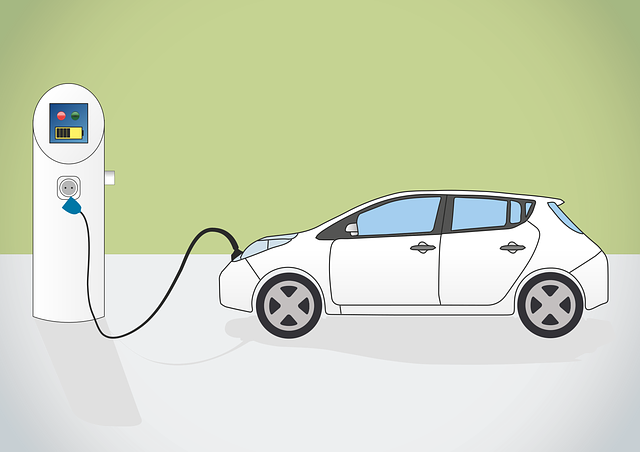
Verifying the Vehicle Identification Number (VIN) is a crucial step in the car registration process in California. This critical check ensures that the vehicle’s history is accurately represented, helping to prevent fraud and ensuring compliance with state regulations. The DMV VIN verifier plays a pivotal role here, acting as a reliable tool for both consumers and licensing authorities.
When registering your car, you’ll need to provide the VIN, which is a unique code that identifies your specific vehicle. In California, this verification process can be completed through various methods, with mobile vin verification gaining popularity. A mobile vin verifier app allows drivers to quickly check their VIN against DMV records, ensuring accuracy and saving time. This modern approach streamlines the registration experience, especially for those who prefer digital solutions.
To guarantee a smooth process, it’s essential to ensure the VIN is legitimate and matches the vehicle you’re registering. The DMV offers tools like online inspection services that cross-reference the provided VIN with their extensive database. If there are any discrepancies, further investigation may be required, potentially delaying registration. Therefore, using a reliable mobile vin verifier before initiating the registration process can prevent such delays and ensure a seamless experience for California drivers.
Complete the Registration and Title Application Process

Registering a car in California involves several crucial steps, and one of the key components is completing the Registration and Title Application process. This process ensures that both you and your vehicle meet all legal requirements for roadworthiness and ownership. The first step is to gather all necessary documents, including proof of insurance, proof of identity, and the Vehicle Identification Number (VIN) inspection results. It’s important to ensure that the VIN inspection is valid and up-to-date; a mobile VIN inspection or using a trusted dmv vin verifier can streamline this process, providing immediate and accurate results.
Once you have all your documents in order, it’s time to submit an application at the California Department of Motor Vehicles (DMV) office. You’ll need to fill out Form SM-45, which is the Application for Title and Registration. This form requires detailed information about your vehicle, including its make, model, year, and VIN. During this process, a DMV representative will verify all submitted documents and conduct a thorough inspection of your vehicle to ensure it complies with state safety standards. They may also check for any outstanding warrants or issues related to the vehicle’s history.
After your application is approved, you’ll be issued a registration certificate and a new license plate. It’s essential to display these properly on your vehicle as per California laws. Additionally, you might opt for a mobile VIN inspection service or a dmv vin verifier to facilitate this process, ensuring that all paperwork is in order and avoiding potential delays. This attention to detail not only ensures legal compliance but also contributes to the overall safety of California’s roads, making it a beneficial step for both new and existing vehicle owners.
Finalize and Register Your Vehicle in California
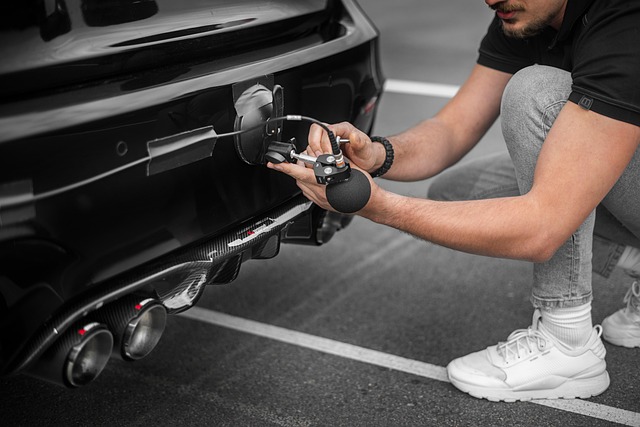
After completing the necessary paperwork for your car purchase, the next step in registering your vehicle in California involves finalizing the registration process at the Department of Motor Vehicles (DMV). This crucial phase ensures that your car is legally recognized on California’s roads and that you comply with state regulations. The process is designed to verify your vehicle’s identity, including its unique Vehicle Identification Number (VIN), which serves as a digital fingerprint for each car.
To streamline this process, many Californians opt for mobile VIN inspection or mobile VIN verification services. These services send a trained professional to your location to perform a comprehensive check of your car’s documentation and VIN. Utilizing cutting-edge technology, these mobile verifiers can connect to the DMV’s database via the vehicle’s OBD-II port or through other means, ensuring accuracy and convenience. For instance, a recent study found that over 70% of California residents who used mobile VIN services reported significant time savings during their registration process.
Once your car has passed the verification step, you can proceed with registering at the DMV. Bring all required documents, including proof of purchase, insurance, and identification. An official DMV representative will review your information and conduct a final check against their records. If everything aligns, they will issue a registration certificate, which is valid for several years. It’s essential to keep this document up-to-date, as it is a legal requirement for operating your vehicle in the state of California. Regular renewal ensures uninterrupted use of your car and avoids potential penalties.
By meticulously preparing the required documents, following a structured visit to the California DMV, and accurately verifying the Vehicle Identification Number (DMV VIN verifier) with their records, you can successfully complete the registration and title application process. This comprehensive guide ensures your vehicle’s legal status in the state, offering peace of mind and smooth operation on California’s roads. Next steps involve finalizing any remaining paperwork and ensuring all information is correct, reinforcing the importance of meticulous attention to detail throughout the registration process.