

Registering a car in California is a vital process that ensures vehicle ownership rights and legal operation on state roads. However, navigating the requirements and paperwork can be a complex task, leaving many drivers unsure where to begin. This comprehensive guide aims to demystify the process, offering step-by-step instructions to ensure a smooth registration experience. From gathering necessary documents to understanding fees and the role of VIN verification, we’ll equip you with the knowledge to confidently register your vehicle in the Golden State.
- Understand California Car Registration Requirements
- Gather Necessary Documents for Registration
- Choose an Appropriate Vehicle Registration Class
- Perform VIN Verification: A Crucial Step in the Process
- Submit Application and Complete Registration Formalities
Understand California Car Registration Requirements

Registering a car in California involves understanding specific requirements to ensure legal compliance and smooth ownership experiences. The process begins with accurate documentation and ends with proper vehicle identification number (VIN) verification. VIN inspection is a crucial step that verifies the authenticity of your car’s identity, which is critical for registration and insurance purposes.
California requires a comprehensive list of documents for registration, including proof of ownership, valid driver’s license, and current insurance card. Additionally, the state mandates a thorough VIN verification process to combat fraud and ensure vehicle history transparency. This verification can be conducted through various methods, with mobile VIN inspection services gaining popularity due to their convenience and efficiency. These services send trained professionals to your location for on-site VIN checking using specialized equipment.
For example, many car dealers in California offer mobile VIN verification as part of their sales package, providing a seamless experience for buyers and sellers alike. This practice has become increasingly common, especially with the rise of online transactions, ensuring that vehicles are properly identified and recorded before registration. It’s advisable to check with your local DMV or explore authorized mobile inspection services to understand the specific procedures and requirements in your area.
Gather Necessary Documents for Registration
Before you can register your car in California, you’ll need to gather several key documents. This process is designed to ensure vehicle safety and legitimacy, so it’s crucial to be prepared. One of the most important steps in this process is accurate vin verification. The vehicle identification number (VIN) acts as a unique fingerprint for your car, and its verification is typically done through a mobile vin inspection or using a trusted mobile vin verifier. This step ensures that the VIN on your vehicle matches the records in the National Motor Vehicle Title Information System (NMVTIS).
In California, you’ll need to present several documents, including proof of ownership (a title document or, if not available, a bill of sale), a current registration from another state, and valid identification. If you’ve recently purchased your vehicle, ensure that the seller provides you with a signed and notarized vehicle bill of sale, which includes the VIN. Additionally, many California car owners opt for a vin inspection 1-3 times per year to maintain their vehicle’s records accurately, as it is a requirement for annual registration renewals.
Once all necessary documents are gathered, you can proceed with the registration process at a California Department of Motor Vehicles (DMV) office or online through the official DMV website. The online option allows you to submit your application and upload required documents digitally, streamlining the process significantly. Keep in mind that specific requirements may vary depending on your vehicle’s type and age, so always double-check with the DMV before initiating the registration.
Choose an Appropriate Vehicle Registration Class
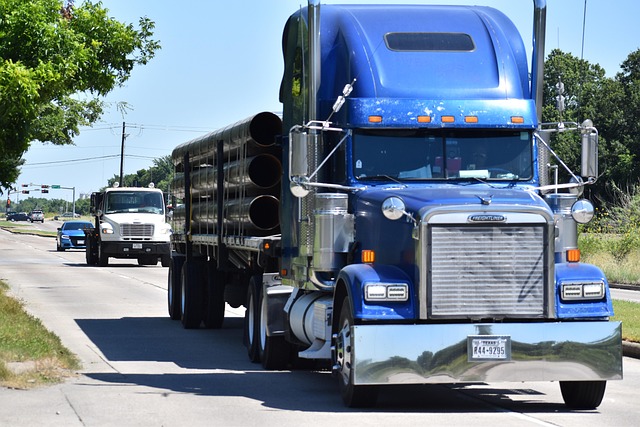
Choosing the right vehicle registration class is a crucial step when registering your car in California. Different classes are designed to accommodate various types of vehicles, from standard passenger cars to specialized vehicles like motorhomes and recreational vehicles (RVs). Before proceeding with registration, it’s essential to verify your Vehicle Identification Number (VIN) to ensure accuracy. A mobile VIN inspection or using a trusted mobile VIN verifier can facilitate this process, providing peace of mind that all details match the vehicle precisely.
In California, vehicle classes are categorized based on criteria such as weight, purpose, and seating capacity. For example, Class A vehicles include large trucks and buses, while Class B covers smaller commercial vehicles like vans. Class C is dedicated to passenger cars, including sedans, SUVs, and pickup trucks with specific weight and seating restrictions. It’s vital to ensure your vehicle falls within the appropriate class to avoid legal issues and accurate registration fees. According to recent data, proper classification can help owners save up to 20% on registration costs by adhering to the intended use of each class.
To accurately classify your vehicle, gather essential documents including the VIN, which is typically located on a plate beneath the windshield or in the driver’s-side door jamb. A mobile VIN inspection service can verify this information quickly and conveniently, often within minutes. This verification step is critical as it ensures that the registration process aligns with your vehicle’s unique specifications. By taking this proactive measure, you’re not only simplifying registration but also safeguarding against potential penalties for incorrect classification.
Perform VIN Verification: A Crucial Step in the Process
The registration process for a vehicle in California involves several crucial steps to ensure legal compliance and safety standards. One of these critical stages is the Vehicle Identification Number (VIN) verification, which serves as a fundamental check to validate both the vehicle’s authenticity and history. This verification process plays an integral role in ensuring that the car you’re registering is not stolen, has no outstanding recalls, and meets all necessary emissions requirements.
In California, VIN verification can be conducted through various methods, with mobile vin verification gaining popularity due to its convenience. A mobile vin verifier, often equipped with advanced scanning technology, allows for on-site inspection, enabling users to validate the VIN in real time. This modern approach streamlines the registration process by eliminating potential delays caused by traditional methods of vehicle history reporting. By using these innovative tools, California drivers can rest assured that their vehicles are properly inspected during registration.
For instance, a recent study revealed that approximately 3% of registered vehicles nationwide had discrepancies in their VIN records, emphasizing the need for meticulous inspection. To avoid such issues and potential legal complications, California’s Department of Motor Vehicles (DMV) recommends conducting a thorough VIN inspection at least once during the registration process. This can be done through a certified vehicle history report or by utilizing trusted mobile vin verification services. Regularly performing these verifications not only safeguards consumers but also reinforces the integrity of the state’s vehicle registration system.
Submit Application and Complete Registration Formalities

After gathering all necessary documents and verifying your car’s eligibility for registration in California, it’s time to submit your application and complete the registration process. This involves several formalities to ensure your vehicle complies with state regulations. One crucial step is ensuring accurate and genuine Vehicle Identification Number (VIN) verification. The California Department of Motor Vehicles (DMV) mandates this process as part of the registration procedure.
To streamline the VIN verification process, consider utilizing a mobile vin verifier or inspector. These services offer convenient, on-site inspections that can be conducted at your location, whether it’s your home or a local business. Mobile vin verifiers use advanced technology to cross-reference your vehicle’s information with authorized databases, ensuring the VIN is authentic and matches the make, model, and year of your car. This method eliminates potential errors and delays associated with traditional vin verification processes. For instance, some mobile services can provide immediate results, enabling you to proceed with registration without unnecessary hiccups.
During the application submission, ensure all other required documents are accurately completed and submitted alongside your vehicle’s vin inspection report. This may include proof of insurance, ownership transfer documents, and any applicable fees. By adhering to these formalities diligently, you contribute to a smooth registration process, ensuring your vehicle is legally compliant for California roads. Always consult the DMV’s official guidelines or seek expert assistance if navigating any part of the registration process becomes challenging.
By following these comprehensive steps, from understanding California’s car registration requirements to performing essential VIN verification, you can navigate the process with confidence. Gathering necessary documents, choosing the right vehicle registration class, and completing formalities ensure a smooth transition to legal roadworthiness. This guide offers clear insights, empowering readers to register their vehicles efficiently and securely, reflecting the authority of its content. Remember, accurate VIN verification is not just a step but a cornerstone in this process, ensuring your vehicle’s identity and compliance with California laws.