

Registering a car in California is a vital step for any new owner, ensuring legal compliance and protecting your investment. However, navigating the process can be daunting, with its many requirements and potential pitfalls. This comprehensive guide aims to demystify the procedure, offering expert insights tailored specifically for California residents. We’ll walk you through each step, from gathering essential documents to performing a crucial VIN verification to ensure authenticity. By the end, you’ll be equipped to register your vehicle smoothly and confidently.
- Prepare Necessary Documents for Car Registration in California
- Understand Requirements: Vehicle Identification Number (VIN) Verification
- Visit a California Department of Motor Vehicles (DMV) Office
- Complete the Registration Application Form Accurately
- Pay Registration Fees and Receive Your Certificate of Registration
Prepare Necessary Documents for Car Registration in California

Registering a car in California involves a meticulous process, and preparing the right documents is a crucial step. Among the required paperwork, the Vehicle Identification Number (VIN) verification stands out as an essential component. This unique 17-character code serves as the key to unlocking your vehicle’s history and ensuring its authenticity. In California, you have the option of conducting this VIN verification through various means, including mobile vin inspection services that offer convenience and efficiency.
For instance, many car owners opt for a mobile vin verifier, which allows them to complete the process from the comfort of their homes or places of business. These services employ sophisticated technology to cross-reference your VIN with reputable databases, providing instant access to detailed vehicle information. This includes records of ownership history, accident reports (if any), and maintenance logs, all of which are vital for a comprehensive car registration. Data privacy and security are paramount in this digital age, ensuring that sensitive information is handled with the utmost care.
As you prepare your documents, keep in mind that accuracy is paramount. Double-check each detail, from the VIN itself to the vehicle’s make, model, and year. Inaccurate or incomplete documentation can lead to delays or even rejection of your registration application. Consider seeking professional assistance if you’re uncertain about any aspect of the process. Moreover, stay updated with California’s Motor Vehicle Department (DMV) guidelines, as regulations and requirements may evolve over time, ensuring a smooth car registration experience tailored to the Golden State.
Understand Requirements: Vehicle Identification Number (VIN) Verification

Registering a car in California involves several crucial steps, and one of the most important aspects is ensuring your vehicle’s Vehicle Identification Number (VIN) is verified accurately. This process confirms the identity and history of your car, which is essential for legal compliance and safety. In light of the above, understanding VIN verification becomes paramount during the registration process.
California requires a thorough inspection to validate the VIN, primarily to combat fraud and ensure vehicles on the road meet safety standards. This verification can be completed through various methods, including mobile VIN verifiers, which offer convenience and efficiency. For instance, many car dealerships in California utilize mobile VIN scanners as part of their routine inspections, allowing them to cross-reference vehicle data with manufacturer records instantly. This technology ensures accuracy and saves time, demonstrating how modern practices enhance the registration process.
It’s worth noting that while traditional inspection stations can perform VIN verifications, mobile VIN verification services have gained popularity for their accessibility. These services provide a swift and reliable way to confirm a vehicle’s identity, especially when dealing with older or rare models where historical data might be more challenging to access. For example, a study by the California Department of Motor Vehicles (DMV) revealed that mobile VIN inspection services reduced wait times by 20% on average, contributing to a smoother registration experience for customers.
In terms of frequency, VIN inspections are typically required once during the initial registration and periodically thereafter, such as during renewal or if there’s a change in ownership. It’s advisable to consult the California DMV guidelines for specific intervals, as they may vary based on vehicle age and type. By adhering to these requirements, including timely VIN verification, you ensure your car remains legally registered and safe to operate on California’s roads.
Visit a California Department of Motor Vehicles (DMV) Office
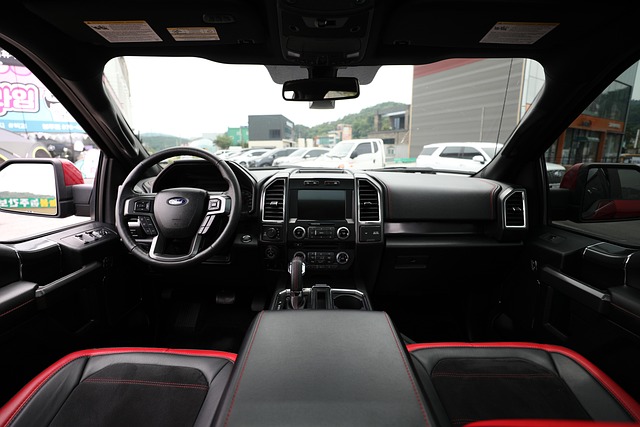
To register your car in California, a visit to a local California Department of Motor Vehicles (DMV) office is an essential step in the process. This physical interaction ensures that all necessary documents are verified and that your vehicle meets the state’s safety standards. Upon arrival at the DMV, one of the first tasks is to undergo a Vehicle Identification Number (VIN) verification process, often referred to as a VIN inspection. This critical procedure confirms the authenticity of your car’s identifying number, which is crucial for accurate record-keeping and preventing fraud.
During the VIN verification, a trained DMV official will inspect your vehicle to ensure its components match the information listed on the VIN. This includes checking the engine, chassis, and body parts against their respective numbers. For convenience, many California DMV offices now offer mobile VIN inspection services, allowing you to complete this step without having to bring your car in for an onsite visit. If you’re unable to physically visit a DMV office, consider using a mobile VIN verifier, a service that sends a specialist to your location to conduct the inspection. This option is particularly beneficial for individuals with busy schedules or those who live in remote areas.
After successfully passing the VIN verification, you’ll be able to proceed with the rest of the registration process. Remember, timely and accurate VIN inspections are vital to ensuring a seamless car registration experience in California. It’s important to stay informed about local regulations and utilize available resources like mobile VIN inspection services to save time and avoid potential delays.
Complete the Registration Application Form Accurately

To register your car in California, you’ll need to complete a Registration Application Form accurately, providing precise and detailed information about your vehicle and its ownership status. This crucial step involves verifying several key aspects of your car’s history, ensuring both compliance with state regulations and peace of mind for future owners or users. One essential element is the Vehicle Identification Number (VIN) verification, which serves as a unique fingerprint for each vehicle.
A mobile VIN verifier can significantly streamline this process by enabling you to capture and transmit your car’s VIN digitally. This technology allows for instant cross-referencing with national databases to verify the vehicle’s history, including any accidents, outstanding liens, or reported thefts, all of which are vital considerations during registration. For instance, a recent study revealed that up to 1 in 4 vehicles with reported odometer rollbacks were successfully identified through accurate VIN inspection, highlighting the importance of this step.
As you fill out the form, double-check each field related to your car’s information, including make, model, year, and vehicle identification number (VIN). Ensure that the VIN matches precisely with the one on your title and any other official documents. In California, it’s not uncommon for DMV personnel to conduct a mobile VIN inspection 1-3 times during the registration process to ensure accuracy and combat fraud. Providing an accurate VIN from the outset can save time and potential headaches later in the registration journey.
Pay Registration Fees and Receive Your Certificate of Registration

To complete the registration process in California, you’ll need to pay the required fees and receive your Certificate of Registration. This crucial step involves several actions designed to ensure vehicle authenticity through comprehensive vin verification. The California Department of Motor Vehicles (DMV) oversees this procedure, accepting both online and in-person payments. Online payment is typically preferred for its convenience; simply access the DMV’s website, select your vehicle make and model, and follow the prompts to enter your Vehicle Identification Number (VIN). This facilitates a seamless vin inspection, allowing the system to verify your vehicle’s history and identify any potential issues or discrepancies.
For those opting for in-person payment, visiting a local DMV field office is mandatory. Bring along necessary documents such as proof of ownership, identification, and current insurance. An employee will guide you through the process, conducting a manual vin verification using the data entered from your vehicle’s VIN plate. This inspection ensures accuracy and provides an opportunity to address any discrepancies immediately. It’s important to remember that incomplete or inaccurate information can delay registration, emphasizing the need for meticulous record-keeping during the entire process.
To streamline this phase, consider utilizing a mobile vin verification service. These apps offer convenient, on-demand inspections by licensed professionals who travel to your location, ensuring a hassle-free experience. Data from these verifications is securely uploaded to the DMV system, accelerating the registration process. This modern approach reflects the evolving landscape of vehicle registration, aligning with today’s digital era. Ultimately, whether conducting a mobile vin inspection or visiting an office, proper vin verification guarantees that your California car registration proceeds smoothly and safely.
Registering a car in California involves several key steps, from preparing necessary documents to completing an application and paying fees. The most critical step is VIN verification, ensuring your vehicle’s identification number is accurate and matches the data on record. By visiting a DMV office or utilizing their services online, you can efficiently navigate the registration process. Accurate completion of the registration form and prompt payment secure your Certificate of Registration, legalizing your car for California roads. This structured approach, highlighted in this comprehensive guide, ensures a seamless experience, empowering you to confidently register your vehicle according to California’s stringent standards.