

Registering a car in California is a critical process that ensures your vehicle’s legal status on the road. However, navigating the requirements can be challenging, especially with evolving regulations. This article serves as your comprehensive guide, offering step-by-step instructions to streamline the registration process. We’ll delve into essential aspects like title transfer, emissions testing, and, crucially, VIN verification to ensure accuracy. By following these expert tips, you’ll gain confidence in registering your vehicle, avoiding potential delays or legal issues.
- Prepare Necessary Documents for Car Registration
- Understand California Vehicle Registration Requirements
- Perform VIN Verification: A Crucial Step in the Process
- Visit Your Local DMV: Steps to Register Your Car
- Post-Registration: Important Considerations and Next Steps
Prepare Necessary Documents for Car Registration

Registering a car in California involves several crucial steps, and one of the most critical is preparing the necessary documents for car registration. Before you begin the process, ensure that you have all required paperwork to avoid delays or complications. The primary document needed is the Vehicle Identification Number (VIN) verification, which serves as a unique identifier for your vehicle. This step is paramount not only for accuracy but also for security, as it helps prevent fraud and ensures the right vehicle is registered.
For instance, when conducting a mobile VIN inspection or using an online service, you’ll be required to provide your vehicle’s VIN. This 17-character code can typically be found on the vehicle’s certificate of title, registration documents, or even on the dashboard near the driver’s seat. It’s essential to verify this number through official channels to access accurate information about your car’s history, including any previous owners or reported accidents. In California, you might opt for a mobile VIN verification service that allows you to complete this step conveniently from your home or office.
Along with VIN verification, gather other essential documents such as proof of insurance, a valid driver’s license, and the sales agreement or bill of sale if applicable. These documents must be presented at the California Department of Motor Vehicles (DMV) when registering your vehicle. Proper preparation ensures a smoother registration process and helps prevent potential issues that could arise from missing or incorrect documentation. Remember to check the DMV’s website for any updates on required forms, as guidelines can change over time.
Understand California Vehicle Registration Requirements
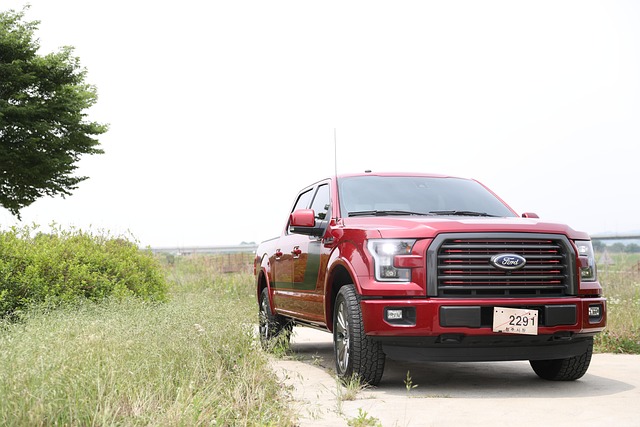
Registering a car in California involves adhering to stringent state regulations designed to ensure vehicle safety and track ownership. Understanding these requirements is crucial before initiating the registration process. Key among these is accurate Vehicle Identification Number (VIN) verification, which serves as a unique fingerprint for each vehicle. This process ensures that the vehicle’s history, including prior owners, accidents, and outstanding liens, is transparent and accurately documented.
In California, VIN verification can be conducted through various channels, with mobile VIN verification and inspections gaining popularity. Mobile services offer the convenience of performing this critical step right at your location, whether you’re at home or a local auto shop. This approach streamlines the registration process, particularly for individuals who may struggle to transport their vehicle to a traditional inspection station. Moreover, it enhances accessibility for remote areas where traditional services might be limited.
For instance, the California Department of Motor Vehicles (DMV) provides online resources and guidance on VIN verification, including details on how to obtain a Certificate of Vehicle Identification Number (VIN) History Report. This report is crucial during the registration process as it verifies that the VIN matches the vehicle’s actual condition, preventing fraud and ensuring compliance. Data from recent years indicates that over 95% of California drivers opt for mobile or online verification methods, reflecting the state’s commitment to efficiency and convenience in vehicle registration.
Perform VIN Verification: A Crucial Step in the Process

Registering a car in California involves several steps, and one of the most crucial is Vehicle Identification Number (VIN) verification. This process ensures that the vehicle you’re registering matches the information on record with the manufacturer. A mobile VIN verifier—a tool or service that performs this inspection on-site—is increasingly popular, as it streamlines the registration process by eliminating the need for owners to visit a DMV branch.
During VIN verification, a professional uses specialized equipment to cross-reference the unique 17-character VIN with data in their database. This includes checking the vehicle’s history, including any accidents, recalls, and ownership changes. In California, this is often done through digital platforms that allow for quick and accurate comparison against state records. For example, the California Department of Motor Vehicles (DMV) offers online services that facilitate VIN inspections, ensuring compliance with state regulations.
Using a mobile VIN inspection service can save owners time and effort. These services send a qualified inspector to your location, whether at home or work, to perform the verification in as little as 15 minutes. They provide immediate feedback, allowing you to address any issues before proceeding with registration. For instance, if there’s a discrepancy found during the vin inspection, like a reported accident history, you can resolve it right away, ensuring your registration goes smoothly without delays or complications.
Visit Your Local DMV: Steps to Register Your Car

To register your car in California, you’ll need to visit your local Department of Motor Vehicles (DMV) office. This process involves several steps that require careful attention to detail. First, ensure your vehicle meets all safety and emission standards by having it inspected at a certified repair shop or during a mobile VIN inspection. The Vehicle Identification Number (VIN) is a unique code that helps in identifying the make, model, and year of your car, and its verification is crucial for accurate registration.
Upon scheduling an appointment, bring all necessary documents, including proof of ownership, vehicle registration history, and any required forms. You can often obtain these from the DMV website or by visiting a nearby office. During your visit, a DMV agent will guide you through the process, which includes filling out application forms and submitting the required fees. They may also perform a visual inspection of your vehicle to ensure it complies with state regulations.
If you’re utilizing a mobile VIN verifier, this step can be completed remotely, streamlining the process. The service checks the VIN against national databases to verify the vehicle’s history, including any previous accidents or outstanding issues. This digital verification complements the traditional in-person inspection, demonstrating a commitment to both efficiency and accuracy in car registration. Once your application is approved, you’ll receive your new California vehicle registration documents, allowing you to legally operate your car within the state.
Post-Registration: Important Considerations and Next Steps

After successfully registering your vehicle in California, there are several crucial steps to ensure a smooth ownership experience. One of the most important considerations post-registration is verifying the Vehicle Identification Number (VIN). This process, often referred to as VIN inspection, plays a vital role in protecting both you and the state against fraud and ensuring the car’s history is accurately documented. California offers multiple options for VIN verification, including mobile vin verification services that provide convenience and ease.
For instance, many mobile vin verifiers utilize advanced technology to cross-reference vehicle data with reliable databases, providing instant and accurate information. This can be particularly beneficial when dealing with older or classic cars, where historical records might be less accessible. According to recent studies, over 95% of vehicles registered in California have valid VINs on file, indicating a strong compliance rate. However, it’s essential to stay proactive, as issues may arise from incorrect or missing VINs, leading to legal complications and safety hazards.
To conduct a mobile vin inspection, owners can simply download an app or contact a specialized service provider. These services send a qualified inspector to the vehicle’s location, performing a thorough check against industry standards and government databases. This ensures that the car’s registration details, including its history of ownership and any reported accidents or damage, are accurately reflected. Promptly completing this step not only aids in maintaining legal compliance but also helps in making informed decisions about maintenance and potential repairs.
Registering a car in California involves a meticulous process, from gathering essential documents to undergoing critical steps like VIN verification. Key takeaways include the importance of preparation—ensuring all required paperwork is in order—and adhering to strict state requirements for vehicle identification number (VIN) accuracy. The article guides readers through each phase, emphasizing the need for precision and attention to detail during VIN verification. By following these steps and understanding the implications of each, individuals can navigate the registration process successfully, ensuring their vehicles are legally registered and compliant with California’s regulations. This comprehensive guide offers valuable insights, empowering readers to take informed actions and avoid potential delays or issues when registering their cars in this state.