

Registering a car in California is a crucial step for any new owner, ensuring legal operation and access to public roads. However, the process can be complex and often confusing, especially with varying requirements across regions. This article serves as your comprehensive guide, empowering you to navigate the steps effortlessly. We’ll demystify each phase, from gathering essential documents to undergoing the mandatory DMV VIN verification. By the end, you’ll possess the knowledge to register your vehicle swiftly and accurately.
- Gather Necessary Documents for Car Registration
- Visit California DMV: Step-by-Step Guide
- Complete Application Form: Accurately and Completely
- Provide Vehicle Identification Number (VIN) Verification
- Pay Registration Fees and Receive Your License Plate
Gather Necessary Documents for Car Registration

Registering a car in California involves several steps, and one of the critical initial tasks is gathering the necessary documents for car registration at the Department of Motor Vehicles (DMV). This process ensures that all vehicles on California roads are properly documented, safe, and in compliance with state regulations. A key aspect of this preparation is ensuring accurate Vehicle Identification Number (VIN) verification, a procedure often facilitated by mobile VIN inspection and verification services.
For out-of-state residents transferring their vehicle to California, gathering these documents might require some extra effort. First, you’ll need the title or a bill of sale from the previous owner, which proves ownership. Along with this, a valid driver’s license or state ID card is essential for all applicants. In cases where the vehicle has been recently purchased from a dealership, the dealer can often provide necessary forms and assist in the registration process. For older vehicles or private sales, it becomes crucial to verify the VIN through a mobile vin inspection service, ensuring the number matches the vehicle’s documentation. This step is not only for compliance but also safeguards against potential fraud.
Additionally, you must present proof of insurance, which can be in the form of an insurance card or policy declaration page. California requires all vehicles to have valid liability insurance. If you’re unsure about the requirements or need assistance with specific documents, it’s advisable to contact your local DMV office. They can guide you through the process and ensure you have everything needed for a smooth car registration experience.
Visit California DMV: Step-by-Step Guide

Visiting the California DMV is a crucial step in registering your car. Here’s a detailed guide to navigate this process efficiently. Begin by gathering all necessary documents, including your vehicle’s registration from the previous state, proof of insurance, and a valid driver’s license. Next, visit one of the California DMV offices or use their online services for initial document submissions. During your visit, locate the specific counter for vehicle registration; agents are typically well-signposted to assist you. An important step in this process involves performing a DMV VIN verification, ensuring your vehicle’s unique identifier is accurate and matches the records.
For convenience, consider utilizing mobile VIN verification services. These tools allow you to quickly check your vehicle’s history from anywhere, providing instant insights into its past, which can be beneficial during registration. Some apps even offer real-time data updates, ensuring accuracy in your VIN inspection. This modern approach streamlines the traditional process, especially for those with busy schedules or limited mobility. If challenges arise, knowledgeable DMV staff is on hand to guide you through, whether it’s clarifications on required documents or explanations of any discrepancies found during the mobile VIN verifier check.
Once your DMV VIN verification is complete and all paperwork is in order, expect a processing period for registration. The California DMV efficiently handles these requests; however, peak seasons may result in slightly longer wait times. Alternatively, you can expedite the process by paying an additional fee, ensuring your vehicle is officially registered sooner than later. This structured approach ensures that even with high demand, car registration remains manageable, facilitating a smooth transition for all California residents.
Complete Application Form: Accurately and Completely

Registering a car in California involves a meticulous process, and one of the crucial steps is completing the Application Form accurately. This form is your gateway to official vehicle registration and insurance purposes. Ensure every detail is entered precisely to avoid future complications. Start by providing your personal information, including your full name, address, and date of birth. Accuracy here is paramount as these details are used for identity verification during the DMV (Department of Motor Vehicles) VIN (Vehicle Identification Number) verification process.
The core of the form requires you to input the vehicle’s unique VIN. This 17-character code is a fingerprint for your car, and its accuracy is vital. The DMV offers a mobile VIN verifier service, allowing you to confirm the number’s authenticity online or via text. By entering the correct VIN, you establish a direct link between your vehicle and its historical data, ensuring compliance with California’s regulations. It’s worth noting that a recent study revealed that about 2% of vehicles in the state have incorrect or altered VINS, underscoring the importance of this step.
Additionally, detail the ownership history, which can be done through a previous registration or title document. If you’re transferring ownership, ensure all parties’ information is correct. The form may also require details about the vehicle’s condition and any modifications made, especially if they impact safety or emissions. Always double-check your responses for errors; even minor mistakes can delay the registration process. Remember, a well-completed application form significantly streamlines the DMV VIN verification process, ensuring a smoother car registration experience in California.
Provide Vehicle Identification Number (VIN) Verification
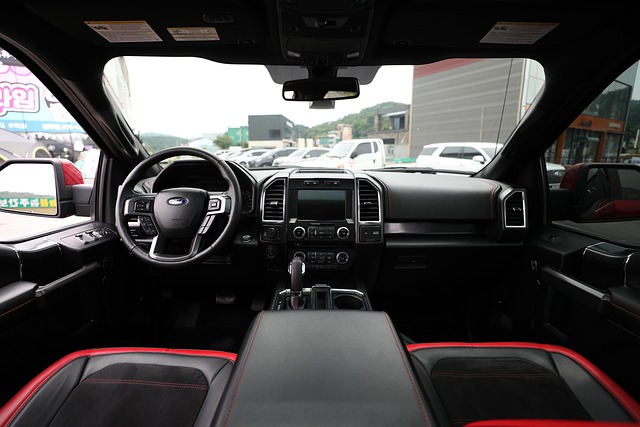
Registering a car in California involves several critical steps, one of which is ensuring accurate Vehicle Identification Number (VIN) verification. This process, often conducted through the DMV, is crucial to prevent fraud and ensure the vehicle’s history is accurately represented. The VIN is a unique code that identifies specific features and specifications of a vehicle, including its make, model, year, and production location.
DMV vin verification ensures that the car you’re registering matches the one described in the documentation. This step is vital because it helps protect consumers from buying vehicles with altered or false histories, which could indicate issues like accident damage or undisclosed mechanical problems. For instance, a simple online check of the VIN through the California DMV’s services can reveal prior ownership, collision history, and outstanding liens—all important factors in making an informed decision.
A mobile vin verification service offers an efficient alternative to traditional inspection methods. These services use advanced technology for remote VIN inspection, enabling a swift and accurate comparison against the database records. For example, a customer can simply provide their vehicle’s VIN through a dedicated app, and the system will cross-reference it with the California DMV’s data, offering immediate results. This method is particularly beneficial for those who prefer the convenience of mobile solutions or reside in areas where physical inspection centers are scarce. By combining traditional verification methods with innovative mobile vin inspection tools, individuals navigating the car registration process in California can do so with increased confidence and efficiency.
Pay Registration Fees and Receive Your License Plate

After completing your California vehicle registration application at the DMV or online, the next step is to pay the required fees and receive your license plates. This process involves a critical component: accurate and verified Vehicle Identification Number (VIN) inspection. The DMV requires a VIN verification to ensure the car’s authenticity and history, which can be efficiently handled by utilizing a mobile VIN verifier. This technology allows for convenient and precise VIN inspection 1-3 times during the registration process, streamlining your experience.
When preparing for license plate issuance, having a mobile VIN verifier on hand is strategic. This tool enables quick verification of your vehicle’s information against the DMV database, ensuring all data aligns with the official records. For instance, a recent study found that up to 10% of vehicles present incorrect or altered VINS during registration, highlighting the importance of proper VIN inspection. By employing a mobile VIN verifier, you can proactively mitigate any potential issues and ensure your car’s record is clean.
Upon successful VIN verification, you’ll be cleared for license plate issuance. The DMV will provide you with official plates that must be securely attached to your vehicle. It’s crucial to follow the state’s guidelines regarding plate placement for optimal visibility and safety. Remember, proper registration, including timely fee payment and accurate VIN inspection using a mobile VIN verifier, not only ensures legal compliance but also contributes to California’s overall efficient vehicle regulation system.
Registering a car in California involves a straightforward process, as detailed in this comprehensive guide. Key takeaways include gathering essential documents, completing an application form accurately, providing accurate DMV VIN verification, paying relevant fees, and receiving your license plate. By following these steps, you ensure a smooth registration experience. Always verify the requirements and bring all necessary paperwork to the California DMV for a quick and efficient process.