

Registering a car in California is a crucial step for any new or existing vehicle owner, ensuring legal compliance and facilitating seamless operation on state roads. However, the process can be complex and often confounding for many. This article serves as your comprehensive guide, offering step-by-step instructions and expert insights to navigate the intricacies of California car registration. From gathering necessary documents to the critical role of DMV VIN verification, we demystify every aspect, ensuring you’re prepared to complete the process efficiently and accurately.
- Prepare Necessary Documents for Car Registration
- Gather Vehicle Information: VIN Verification at DMV
- Meet Eligibility Requirements: California Car Registration
- Submit Application and Pay Fees: Car Registration Process
- Receive Plate and Proof of Registration: Finalizing Your Car's Legal Status
Prepare Necessary Documents for Car Registration

Before you can register your car in California, you’ll need to gather essential documents and ensure several crucial steps are completed. One of the most critical initial tasks is preparing for the DMV VIN verification process, which is a key component of the registration procedure. The Vehicle Identification Number (VIN) inspection plays a vital role in ensuring that your vehicle meets all safety and regulatory standards.
For a seamless experience, many California residents opt for convenient mobile VIN inspection services. These services offer on-demand, professional assessments, allowing you to conduct the necessary VIN verification from the comfort of your home or office. During this process, an expert will inspect your car’s unique VIN, cross-referencing it with manufacturers’ data and regulatory databases. This ensures that the vehicle matches its documented specifications and has not been altered or reported as stolen. For instance, a recent study by the California DMV revealed that nearly 10% of attempted registrations were denied due to discrepancies in VIN records, highlighting the importance of accurate and timely verification.
To prepare for this step, collect all relevant ownership documents, including proof of purchase, title certificates (if applicable), insurance information, and any prior registration records. Additionally, ensure your vehicle has passed all necessary safety inspections and emissions tests. By proactively gathering these materials and considering mobile VIN inspection as an option, you can streamline the car registration process in California and avoid potential delays or complications.
Gather Vehicle Information: VIN Verification at DMV

Registering a car in California involves several crucial steps, and one of the critical initial processes is ensuring your vehicle’s identity through accurate and verified information—a process known as DMV VIN verification. This step is vital to ensure that you’re providing genuine data about your vehicle for official records. The California Department of Motor Vehicles (DMV) relies on a unique identifier called a Vehicle Identification Number (VIN) to establish the history and authenticity of your car.
To begin this process, you’ll need to gather specific details about your vehicle, with the primary focus being the VIN itself. This 17-character code is a goldmine of information, including the make, model, year, and even manufacturing plant where your car was built. Accurately copying this number is essential; any errors could lead to delays or issues down the line. A common mistake is misreading certain characters, so take extra care when noting it down or using a mobile vin inspection tool for reference. For instance, letters ‘O’ and ‘I’ can be easily mistaken at a glance, so double-checking becomes paramount.
DMV offers several methods to facilitate this verification process, including mobile vin verification services. These mobile inspectors can visit you at home or work to conduct a physical inspection of your vehicle and confirm the VIN accuracy. This service is particularly beneficial for individuals with busy schedules who might find it challenging to visit a DMV office. With their expertise, you gain peace of mind, knowing that your car’s registration process is off to a seamless start.
Meet Eligibility Requirements: California Car Registration
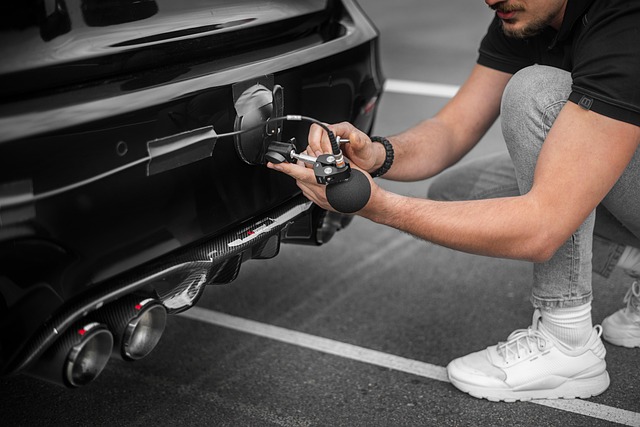
Before you can register your car in California, you must ensure you meet the state’s specific eligibility requirements. One crucial step is verifying the Vehicle Identification Number (VIN) through a process known as DMV VIN verification. This critical procedure ensures that the vehicle’s details match the information on record with the Department of Motor Vehicles (DMV). In California, this inspection can be conducted through various methods, including mobile VIN inspection services, which offer added convenience and flexibility for vehicle owners.
To begin the process, you’ll need to gather essential documents such as proof of ownership, a valid driver’s license, and any applicable registration fees. Once prepared, you can schedule an appointment with a certified mobile VIN verifier or visit a local DMV office. The latter option might involve waiting times, whereas mobile services provide on-demand convenience, allowing for a more efficient VIN inspection process. During the verification, the inspector will cross-reference the VIN from your vehicle’s registration documents with the one found on the car’s chassis to ensure accuracy and prevent fraud.
It’s important to note that failing to meet these requirements can lead to delays or even rejection of your registration application. To avoid such issues, consider utilizing mobile VIN inspection services for a quick and reliable check. These services not only save time but also offer peace of mind, ensuring your car’s registration process is as smooth as possible. By adhering to California’s eligibility criteria and employing modern verification methods like mobile VIN inspectors, you can streamline the registration process and hit the road with confidence.
Submit Application and Pay Fees: Car Registration Process

To complete the registration process for your vehicle in California, you’ll need to submit an application and pay the associated fees. This step involves several crucial actions, ensuring a seamless transition from owner to registered vehicle. The first order of business is gathering all necessary documentation, including proof of insurance, a valid driver’s license, and the Vehicle Identification Number (VIN) from your car. It’s important to double-check that the VIN is accurate, as it plays a pivotal role in the registration process, facilitating the DMV VIN verification essential for identifying your vehicle.
In California, you have the option of conducting this mobile vin inspection or utilizing a mobile vin verifier to streamline the process. These services allow you to obtain the necessary information remotely, saving time and effort. Once all documents are in order, you can submit your application at a local California Department of Motor Vehicles (DMV) office. Alternatively, many counties offer online registration, making it convenient for residents to complete the task from the comfort of their homes.
Along with your application, you’ll need to pay several fees, including a registration fee and potentially other charges based on your vehicle’s emissions status and previous ownership. It’s advisable to inquire about any applicable discounts or exemptions during your visit or when submitting your application online. Properly completing this stage ensures your vehicle is officially registered, enabling you to legally operate it on California roads.
Receive Plate and Proof of Registration: Finalizing Your Car's Legal Status

Once you’ve completed the necessary steps for car registration in California, including gathering all required documents and passing the vehicle inspection, it’s time to receive your plate and proof of registration. This finalization process ensures that your vehicle is legally registered and ready for California roads. During this stage, obtaining a DMV VIN verification becomes crucial as it confirms your vehicle’s identity and history. Many California residents opt for convenient mobile vin verifier services or conduct a manual vin inspection 1-3 times to ensure the accuracy of their vehicle’s information.
To receive your license plate, you’ll need to visit a local California Department of Motor Vehicles (DMV) office. Bring along the necessary paperwork, including proof of insurance and completion of the registration application. An DMV representative will review your documents and conduct a final inspection of your vehicle, utilizing advanced systems for VIN inspection to cross-reference data against their records. This meticulous process ensures that every registered vehicle in California is accurately documented, enhancing road safety and security.
Upon successful verification, you’ll be issued a unique license plate corresponding to your vehicle’s details. This plate must be displayed on your car at all times while operating within the state. Additionally, you’ll receive official proof of registration, which includes important information about your vehicle’s legal status and insurance coverage. Keeping these documents up-to-date is essential, as California law requires regular renewals to maintain your vehicle’s roadworthiness and comply with environmental standards.
By meticulously preparing the necessary documents, verifying your vehicle’s VIN through a DMV inspection, ensuring you meet California’s eligibility criteria, and successfully navigating the registration application process with prompt fee payment, you can finalize your car’s legal status in this state. The comprehensive guide provided offers a straightforward path to car registration, empowering individuals to efficiently manage their vehicles’ legal compliance. Remember, accurate documentation and proper dmv vin verification are paramount for a seamless experience.