
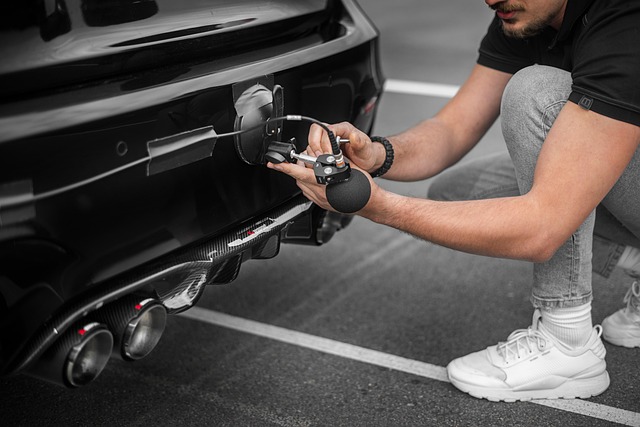
Registering a car in California is a crucial step for any new vehicle owner, ensuring legal compliance and personal protection. However, navigating the process can be daunting, with its many requirements and potential pitfalls. This article serves as your authoritative guide, breaking down the complexities into manageable steps. We’ll walk you through every aspect, from gathering essential documents to performing critical tasks like VIN verification, ensuring a seamless registration experience. By the end, you’ll be equipped with the knowledge needed to successfully register your vehicle in California.
- Gather Required Documents for Car Registration
- Prepare Your Vehicle for Inspection (VIN Verification)
- Choose a California Motor Vehicle Office (MVO)
- Submit Your Application and Fees
- Receive Your Vehicle's Registration and License Plate
Gather Required Documents for Car Registration

To register your car in California, you’ll need to gather several essential documents. One critical step before beginning the registration process is ensuring accurate and legitimate vehicle identification number (VIN) verification. This process verifies the vehicle’s history and ensures it’s safe for road use. In California, a VIN inspection can be conducted by using a mobile vin inspection service or visiting a designated DMV office that offers this service.
For instance, consider that many car dealerships in California offer free mobile vin inspection services as part of their pre-purchase checkups. This convenience allows potential buyers to confirm the vehicle’s authenticity and history before finalizing the purchase. Alternatively, you can use a third-party mobile vin verifier app or service for a nominal fee, which can provide detailed vehicle history reports, including past owners, maintenance records, and any reported accidents. These reports are invaluable when preparing your car for registration.
Other required documents include proof of insurance, emissions test results (if applicable), and documentation related to the purchase or lease of the vehicle. It’s crucial to double-check these requirements before visiting a DMV office or an online registration portal. For instance, according to the California DMV, you may need to provide a title, bill of sale, or lease agreement depending on how you acquired your car. Additionally, ensure that all documents are up-to-date and accurately reflect the vehicle’s current specifications, including any modifications made since purchase.
Prepare Your Vehicle for Inspection (VIN Verification)
Before you can register your car in California, your vehicle must pass a rigorous inspection known as VIN verification. This process ensures that your car meets all safety and emissions standards set by the state. The key to navigating this step smoothly is ensuring your vehicle is prepared for the inspection. One effective strategy is to engage the services of a mobile VIN verifier—a professional who can conduct the necessary checks at your convenience, whether it’s at your home or workplace. These experts are equipped with the latest tools and knowledge to help you avoid common issues that could delay registration.
During the preparation phase, ensure all documentation related to ownership and vehicle history is in order. This includes the title, registration papers, and any records of maintenance or repairs. Additionally, physically inspect your car for any signs of damage, wear, or tampering. Check critical components such as headlights, taillights, turn signals, brakes, and tires to guarantee they function correctly and meet California’s legal requirements. For older vehicles, a thorough review of the chassis and engine may be necessary to pass the VIN verification.
Consider using mobile VIN inspection services to simplify the process further. These professionals not only ensure your car meets the required standards but also provide valuable insights into any potential issues. In 2022, data from California’s Department of Motor Vehicles (DMV) indicated that nearly 15% of vehicles failed their initial inspections due to non-compliance with safety and emissions regulations. By proactively preparing your vehicle for VIN verification using mobile services, you can significantly increase your chances of a smooth registration process and avoid the hassle and potential delays associated with repairs or corrections after inspection.
Choose a California Motor Vehicle Office (MVO)

Choosing the right California Motor Vehicle Office (MVO) is a crucial step in the car registration process. With multiple MVOs across the state, selecting the appropriate location can streamline your registration experience and potentially save you time and effort. Consider factors like proximity to your home or workplace, office hours, and even the availability of mobile vin verification services. For instance, if you reside in Los Angeles, opting for an MVO within the city might be more convenient than traveling to one in a neighboring county.
California offers various options, including traditional in-person visits and alternative methods like mobile vin inspection. Mobile vin verification, where an inspector comes to your location to perform a vin inspection, can be particularly beneficial for those with busy schedules or accessibility concerns. This service ensures that your vehicle’s VIN (Vehicle Identification Number) is verified accurately, a critical step in the registration process known as vin verification. Online platforms and dedicated apps now facilitate the scheduling of mobile vin inspections, making it easier than ever to complete this essential task.
When choosing an MVO, it’s advisable to check their specific requirements and procedures. Some offices may have additional documentation or fee structures that differ from others. For instance, if you’re registering a classic car or importing a vehicle, specialized MVOs with expertise in these areas can provide valuable assistance. Additionally, understanding the office’s vin inspection process will help ensure a smooth registration journey. Utilize California’s official DMV resources to gather accurate information about each MVO’s capabilities and policies regarding mobile vin verification.
Submit Your Application and Fees

To register your car in California, you’ll need to submit a completed Application for Title and Registration (DMV Form 140). This form is available online or at any California DMV field office. Ensure all information is accurate and up-to-date. A crucial part of this process is verifying the vehicle’s Vehicle Identification Number (VIN). This involves a comprehensive VIN inspection to ensure the vehicle’s authenticity and history, which can be accomplished through various means, including a mobile VIN verifier.
When submitting your application, you’ll also need to pay the requisite fees. These include the registration fee, which varies based on your vehicle’s type and weight, plus any additional charges for plates, title transfer, or emissions testing if required. It’s recommended to check the California DMV website for the most current fee schedules, as they can change periodically. Once your application is complete and all necessary fees are paid, you’ll receive your vehicle’s registration and license plate.
For a seamless process, consider utilizing a mobile VIN inspection service. These services offer on-demand, convenient verification of your car’s VIN through specialized equipment. This not only ensures accuracy but also saves time compared to traditional methods. For instance, some mobile verifiers can provide instant reports, detailing the vehicle’s history and any potential red flags, allowing you to address issues proactively before registration. Always ensure the service provider is reputable and authorized by the DMV to conduct such inspections.
Receive Your Vehicle's Registration and License Plate

After completing the necessary paperwork and ensuring your vehicle meets all requirements, it’s time to receive your car’s registration and license plate. This crucial step formalizes your ownership and allows you to legally operate your vehicle on California roads. Upon approval of your application, the California Department of Motor Vehicles (DMV) will process your request and issue a registration certificate, which serves as proof of ownership and insurance.
Accompanying this document is a unique license plate designed specifically for your vehicle. These plates are not only identifiers but also serve as a visual representation of your investment in compliance with state regulations. Once issued, ensure you securely attach the license plate to your car according to DMV guidelines. Proper installation demonstrates responsible ownership and ensures uninterrupted use of California’s roads.
For added convenience, many Californians opt for mobile VIN verification and inspection services. These innovative solutions allow you to verify your vehicle’s history and identify potential issues from the comfort of your home or office. Mobile VIN verifiers use advanced technology to cross-reference your Vehicle Identification Number (VIN) with vast databases, providing instant access to detailed vehicle records. This modern approach streamlines the registration process and empowers you to make informed decisions about your car’s maintenance and safety.
Registering a car in California involves several key steps, from gathering essential documents to completing VIN verification and choosing the right Motor Vehicle Office. By carefully preparing your vehicle and application, you ensure a smooth process. Remember to submit all required fees and documentation, and receive your vehicle’s registration along with its license plate. This authoritative guide provides clear directions and highlights the critical aspect of VIN verification, ensuring compliance and peace of mind on California’s roads.