

Registering a car in California involves navigating complex procedures to ensure legal compliance and safety standards. For vehicle owners, understanding the process is crucial to avoid penalties and streamline future transactions. The challenge lies in deciphering the requirements, especially with evolving regulations. This article provides an authoritative guide, detailing each step from preparation to final registration, including the vital role of Vehicle Identification Number (VIN) verification for accuracy and security. By following these instructions, you’ll gain the knowledge needed to confidently register your vehicle in California.
- Gather Necessary Documents for Car Registration in California
- Prepare Your Vehicle for Inspection: VIN Verification Process
- Choose an Appropriate Registration Class: Understanding Types
- Submit Applications and Pay Fees: Step-by-Step Guide
- Maintain Your Registered Vehicle: Important Post-Registration Steps
Gather Necessary Documents for Car Registration in California

Registering a car in California involves a meticulous process, and one of the critical initial steps is ensuring you have all the necessary documents for a seamless transaction. The California Department of Motor Vehicles (DMV) requires specific paperwork to verify your vehicle’s identity and history, with the Vehicle Identification Number (VIN) verification being a pivotal component. This process guarantees that every car on California’s roads has been accurately identified and recorded, ensuring safety and compliance.
Central to this is proving ownership and establishing the legitimacy of the vehicle. Key documents include the title, registration certificate, and proof of insurance. The title, provided by the seller, serves as legal proof of ownership transfer. Meanwhile, the registration certificate confirms the vehicle’s identity and specifications, including its VIN. Additionally, a valid insurance card demonstrates that you have financial responsibility for the car. These documents collectively form the foundation for your car’s official registration.
For added convenience and accuracy, many California residents opt for mobile VIN inspection services or utilize online tools for VIN verification. These methods allow you to confirm crucial vehicle details, such as model year, make, and previous ownership history, right from your smartphone or computer. For instance, a mobile vin verifier can provide instant access to detailed vehicle reports, including any reported accidents or outstanding loans tied to the VIN—information that could be pivotal in making an informed purchase decision.
Prepare Your Vehicle for Inspection: VIN Verification Process

Before you register your car in California, it’s crucial to prepare your vehicle for the inspection process. One of the key steps involves verifying your Vehicle Identification Number (VIN). This process ensures that your car meets all safety and legal standards set by the state. During a VIN inspection, a trained professional will cross-reference your vehicle’s unique VIN with databases to confirm its authenticity and history.
In California, you can expect a thorough examination covering various aspects like structural integrity, emissions compliance, and previous accidents or damages. A mobile VIN inspection service can be particularly convenient, as these specialists come to your location—whether it’s your home or a nearby parking lot—to perform the verification. This saves you time and effort compared to traditional methods of visiting a DMV office.
For instance, consider a scenario where a car has been in a minor fender bender but not reported. A mobile VIN verification expert can uncover such hidden issues by accessing comprehensive vehicle history reports. According to recent studies, over 40% of cars in California have some form of undisclosed damage. Therefore, having your VIN inspected is a proactive step to ensure you’re making an informed decision when purchasing or registering a vehicle.
By utilizing mobile VIN inspection services, you gain peace of mind knowing that your car’s history is transparent and accurate. This process bridges the gap between buyers and sellers, fostering trust in California’s automotive market. So, before registering your car, prepare for the VIN verification process to ensure a smooth transition into California’s regulatory framework.
Choose an Appropriate Registration Class: Understanding Types

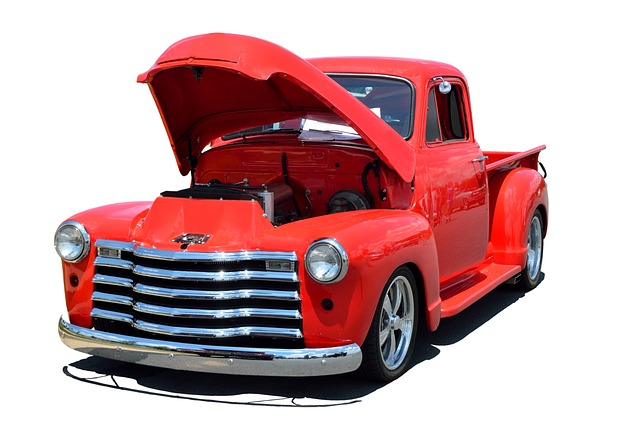
Choosing the right registration class is a crucial step in registering your car in California. The state offers several classes tailored to different types of vehicles, each with specific requirements. Understanding these classes ensures you pay the correct fees and receive the appropriate services. For instance, classic cars over 25 years old qualify for a special historic vehicle registration, offering reduced fees and exemption from emissions testing.
When deciding, consider your car’s age, model, and intended use. A mobile VIN verifier or mobile vin verification service can be invaluable here. These tools allow you to swiftly and accurately confirm your vehicle’s identity by checking its unique 17-digit Vehicle Identification Number (VIN). This is particularly useful for classic cars or vehicles with modified histories, ensuring you select the correct class. For example, a 1965 Mustang might fall into a different category than a restored model from the same year due to parts and restoration methods.
Mobile inspection services are beneficial as they provide convenience and accuracy. They can be particularly helpful for rare or vintage vehicles, where traditional verification methods may not be readily available. By utilizing these modern tools alongside state guidelines, you ensure a smoother registration process, avoiding potential issues related to misclassification. Remember, the correct registration class not only saves money but also ensures your vehicle complies with California’s legal requirements.
Submit Applications and Pay Fees: Step-by-Step Guide

To register your car in California, you’ll need to follow a structured process ensuring all documents are in order. One crucial step in this journey is submitting the necessary applications and paying the required fees. This guide will walk you through each essential action, making the registration process as seamless as possible.
Begin by gathering all required forms, which can be obtained from the California Department of Motor Vehicles (DMV). You’ll need an application for vehicle registration (Form DV-1), which serves as the heart of your submission. Fill this out meticulously, ensuring accuracy in all details. Among these, the Vehicle Identification Number (VIN) verification stands out as a critical element. Here’s where a mobile VIN verifier can come in handy; these tools enable you to confirm the vehicle’s history and specifications from the comfort of your home or garage, streamlining the preparation process.
Once forms are complete, it’s time to assemble your paperwork package. This includes providing proof of identity, ownership, and insurance. After gathering everything, head to a DMV field office with your documents. Staff will guide you through the process, ensuring all fees are paid correctly. The fees for registration vary based on vehicle type and age, so it’s crucial to verify the amounts before proceeding. You can also opt for additional services like titling and registration renewal online or via mail to expedite the process.
Upon completion of these steps, you’ll receive your official vehicle registration papers. Remember that proper documentation, including a valid VIN inspection, is essential throughout this process. Consider keeping records digital to easily reference them in future interactions with the DMV or when selling your vehicle.
Maintain Your Registered Vehicle: Important Post-Registration Steps
Maintaining your registered vehicle involves several crucial steps that ensure your car remains safe, roadworthy, and compliant with California regulations. One of the critical aspects often overlooked is regular verification of your Vehicle Identification Number (VIN). This unique 17-character code serves as a digital fingerprint for your vehicle, offering vital information about its make, model, year, and production history. In California, proper VIN verification is not just recommended; it’s a legal requirement.
For instance, when purchasing a used car, a mobile VIN verifier can be an invaluable tool. These portable devices allow you to check the vehicle’s history in real time, including its previous owners, service records, and whether it has been involved in any accidents or reported thefts. In a state like California with stringent emission standards, ensuring your car is legally compliant should be a priority. A mobile VIN inspection can detect potential issues related to emissions equipment, helping you avoid costly repairs and legal penalties. Regular checks, perhaps even 1-3 times annually, are recommended to stay proactive.
Additionally, keeping accurate records of your vehicle’s maintenance and inspections is essential. This documentation not only assists in identifying patterns but also serves as a protective measure. In the event of a dispute or accident, having detailed service records can significantly facilitate the claims process. Furthermore, staying current with California’s registration renewals and emissions tests is non-negotiable. These measures collectively contribute to road safety, environmental protection, and ensuring you, as the vehicle owner, remain legally accountable.
By systematically navigating the process of car registration in California, from gathering essential documents to undergoing the VIN verification process, individuals can ensure their vehicle’s legal status. Understanding different registration classes empowers informed decisions tailored to individual needs. The step-by-step guide guarantees a smooth application and fee payment experience. Furthermore, comprehending post-registration responsibilities ensures continued compliance and vehicle safety. Through this comprehensive approach, California residents are equipped with the knowledge to efficiently and accurately register their vehicles, reinforcing the article’s authority on this crucial procedure.